
What are the Impacts of Recent Flooding on Local Wildlife Populations?
With the recent flooding events throughout central Texas, I wanted to write about the likely impacts to the local wildlife populations. The short answer involves the TIMING of the flooding versus the flooding itself. Let’s examine the details more closely so we have a better understanding.
Native wildlife species have welldefined breeding and offspring- rearing “seasons” to take advantage of the improved habitat conditions to aid in offspring survival. Exotic species— those animals not from Texas—do not because their “seasons” are not the same and they oftentimes have other issues to overcome such as predation rates, migration events, monsoon seasons, etc. But our native species typically have birthing seasons to capitalize on the improved range conditions of spring and early summer simply to help more of the offspring survive.
The recent flooding involves what is referred to as riparian habitat—those areas adjacent to a river, stream, or lake, and characterized by unique vegetation due to the influence of the water source. A hill, a flat cattle pasture, a rocky ridge, or a heavy mesquite thicket is not considered a riparian habitat. A pecan bottom, a normally dry creek, a stand of willow trees and an area flanking a river or creek is a riparian habitat.
Native wildlife of central Texas that involve hunting seasons, for this article purpose, include Rio Grande turkeys, bobwhite quail and whitetail deer.
Let’s look at the details regarding these “big three” species in more detail:
Rio Grande Turkeys typically select low-lying (riparian) areas with grasses up to 18” tall for nesting. Most nests are within a quarter mile of a permanent water source. Turkey hens begin building their nest in early to mid-April and will lay one egg per day and typically are sitting on their eggs by the first week in May. There are typically 10-12 eggs per nesting attempt. Incubation period is 28 days, or roughly one month. If she begins the process of laying May 1st, she will be sitting on a full clutch of eggs May 12th. One month later—June 12—the eggs are hatched, and the babies are immediately mobile. They are able to fly within two weeks after hatching, so by July 1st, turkey poults are able to fly into the trees for safe roosting and able to escape most predators. If the nest is destroyed by predators during the first nesting attempt, a hen will usually try again after rebuilding the nest (roughly 25% of the time), so she may be sitting on the nest into late June or early July, and the poults will hatch mid to late July. The flood events of July 4-10 could have impacted those second attempts, but because only a quarter of the hens successfully renest a second time, the majority of the hens were likely successful, and those poults were old enough to evade the floodwaters and had enough downy and flight feathers to stay warm enough to survive the ordeal. I anticipate minimal negative impact from flooding on the turkey population, but some roost trees may have been impacted and that will cause turkeys to adjust their roost tree selections and likely daily travel patterns.
Bobwhite quail typically select more upland sites that are considered non-riparian sites— those areas of low mixed brush communities, with or without rock and likely has some level of prickly pear cactus associated with it. These areas are far less likely to flood, but rainfall certainly affects the quality of the grasses, abundance of seed and insects produced. Quail nest in our area from May to August in response to range conditions, and eggs are much more susceptible to humidity during the nest sitting period. Ideally a humidity range of 45-50% is required for optimum hatch rates in the first 14 days. A hen will lay 12-14 eggs and incubation is 23 days. Quail will renest if nests are destroyed provided habitat conditions are favorable, and two clutches (successful hatches) are possible. Cooler-than-normal temperatures, particularly when wet, decreases very young chick survival since they do not have adequate feather protection, so there could be some impact to those very young chicks that were hatched the week of the flooding events. The fact that quail extend their nesting season during wetter months, will renest and can produce two successful clutches and normally do not select riparian areas to nest in, the flooding in July will have no major impact to the overall quail population.
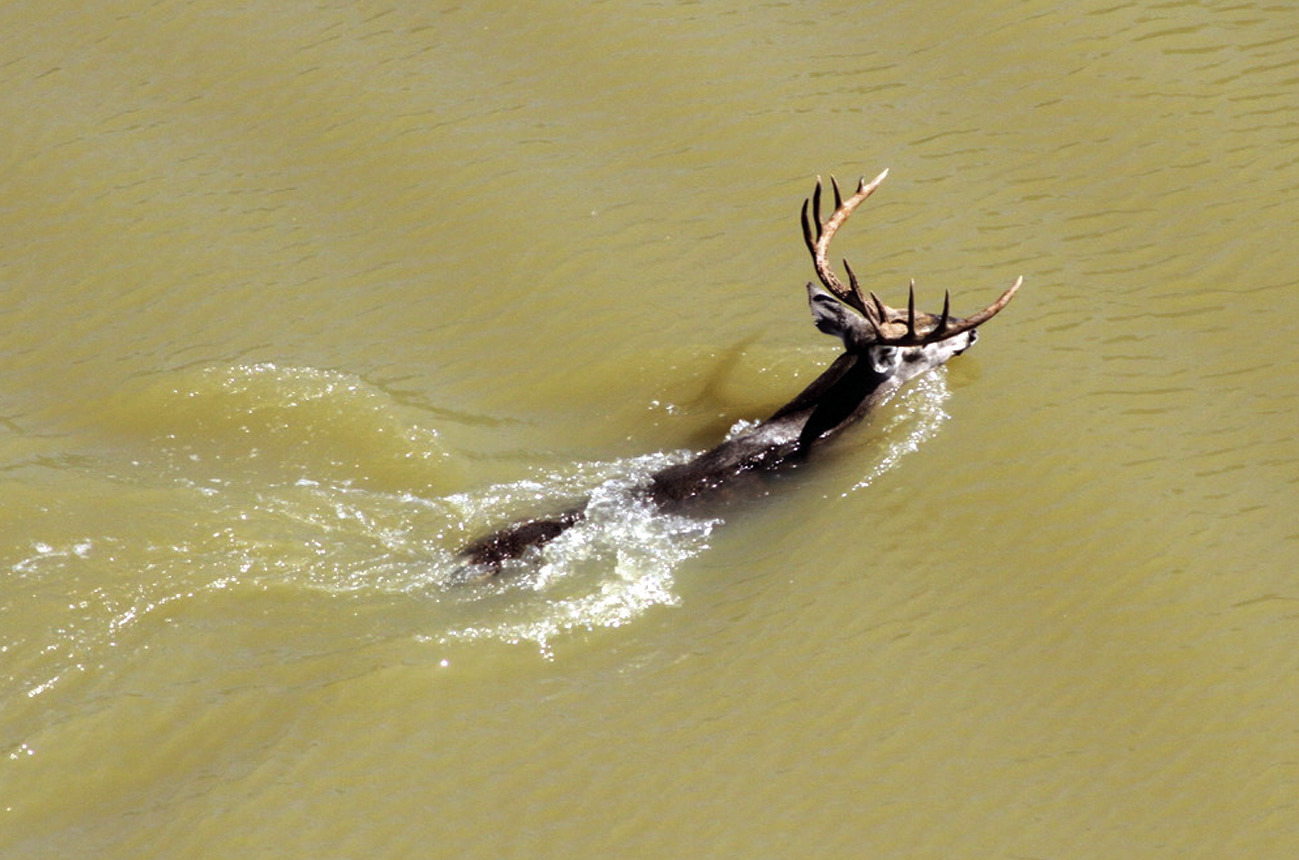
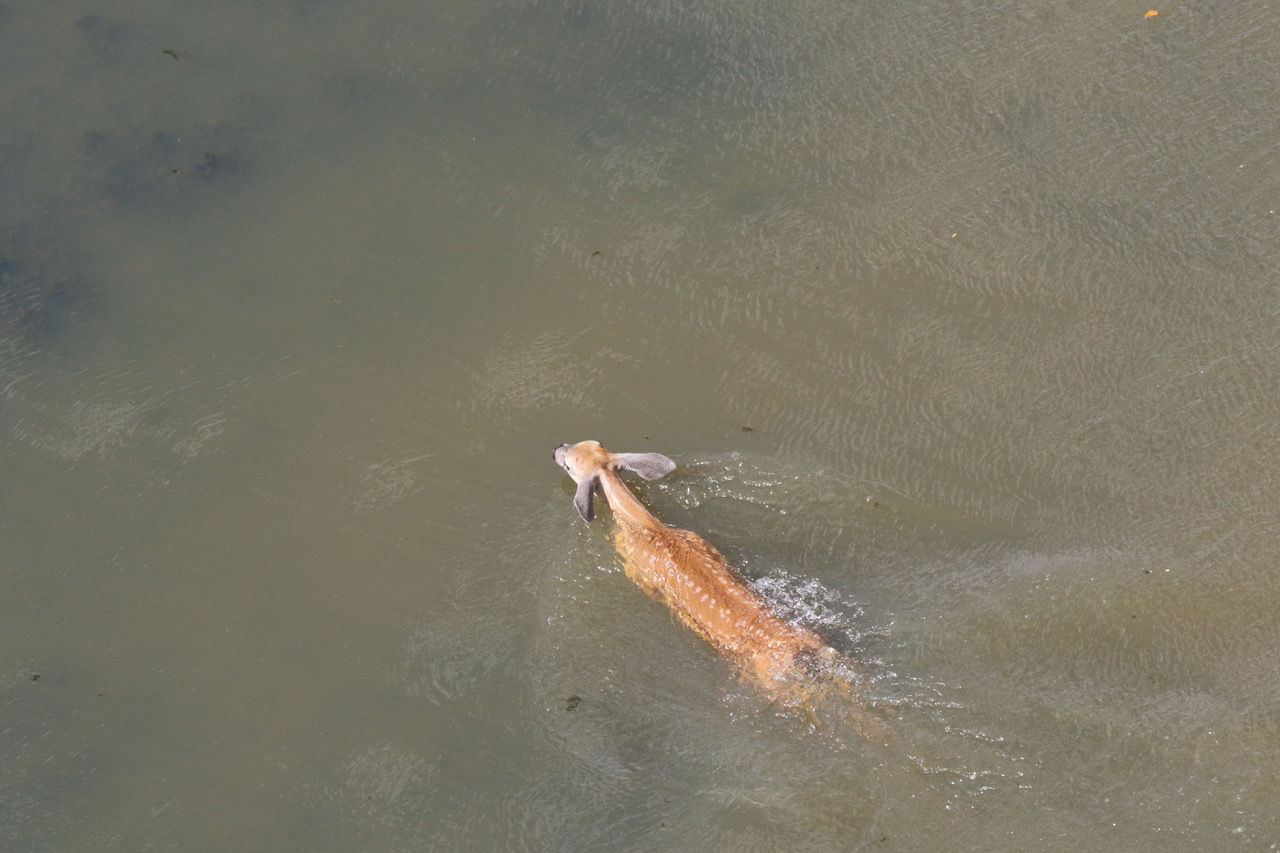
Whitetail Deer are adaptable and resilient. There are approximately 5.3 million deer in Texas right now—the most in recorded history, so their adaptability is obvious. A doe will select either upland or riparian habitats that offer concealment that may include a clump of tall grass, a shady spot under a tree or within a mixed brush community. A doe is not nearly as picky as a turkey or quail hen; she will select anywhere she thinks concealment is likely. A healthy mature doe will typically deliver two fawns, and sometimes three. A young doe will produce one fawn. The peak fawning date in our area is June 15, meaning most fawns are on the ground by then, but may extend into late July. By day four, a fawn can outrun a human and will readily flush from hiding to escape danger. Deer are also excellent swimmers. By the time the floodwaters arrived in our area, most fawns were born and old enough to escape the rising waters and/ or they were old enough to swim to safety. There are a select few late-born fawns that could have been impacted by the floods, but it would be a small number and only those in the riparian areas prone to flash flooding, so I do not think the population of deer were negatively impacted at all.
Conclusion:
The rains and resulting floodwaters that fell July 4-10 in central Texas were indeed devastating to human facilities and infrastructure, but not nearly as impactful to wildlife in general because of the TIMING. Had this event hit in May or June, this article would be much different. But because it happened in July, Mother Nature has created native wildlife species to get their baby-having business completed by then. No doubt some select individual animals were negatively impacted, but, as a whole, the rain event will be a net-positive for wildlife in general because the immediate riparian areas were impacted, yet the entire habitat as a whole has been greatly improved. So the mature does outside the riparian areas will be more likely to raise all two or three fawns; the turkey hen will have plenty of insects and seeds for her chicks to forage on and the bobwhite hen will have plenty of green grass and weeds to use and navigate underneath, thereby successfully protecting more of her young chicks now and throughout the remaining summer months. It is my opinion, based on experience, that the July 4-10 rains will result is an overall net positive gain for our native wildlife species throughout central Texas because of the landscape-wide improved habitat conditions.