
Part Five
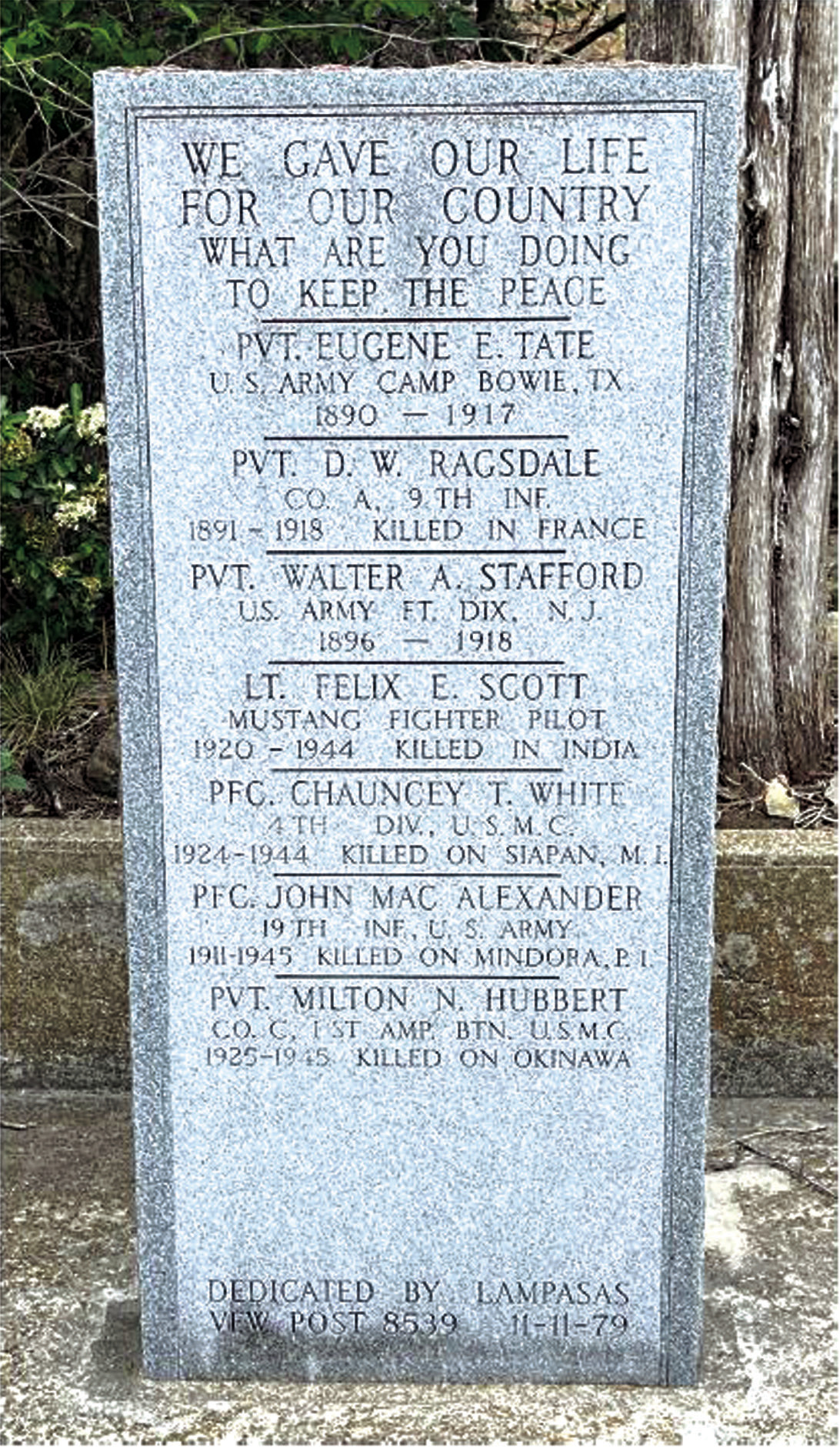
There was plenty of evidence that a massive firefight had taken place, and I had an up close-and-personal view of the unbelievable devastation on the battlefield. All around me, there must’ve been thousands of casualties on both sides during the initial advance toward the Japanese positions. We were told to be on the lookout for Japanese civilians, many of whom had been indoctrinated over the course of many years to take up arms against American troops. Along the way to Aslito Airfield, I noticed that the sugarcane fields had been torched by our men who had wielded flamethrowers. In contrast to much of the decimated landscape, the flame trees protruding from the tall beds of grass were actually quite beautiful. The reinforced concrete bunkers were charred, and it was quite evident that our tanks had worked them over pretty well. After having seen and smelled countless enemy corpses, I felt rather sick to my stomach at times. However, I knew that it was better they were dead instead of me and my buddies. I was overwhelmed with intense sadness when I saw the bodies of Marines who had been killed in action as they were being lined up neatly in rows near the tarmac. Knowing full well that God had already taken Felix, I was surely hoping that I wouldn’t be another name added to the church rolls back home.
Our superiors told us to expect much worse conditions ahead. That evening, my sergeant turned a blind eye as my pals and I drank a few rounds of sake and some Japanese beer that we had “liberated” from a shed. Since we’d be pulling out at first light, he made it abundantly clear that we were to try to get some decent sleep. I thought to myself, how could that really be possible during wartime? We bedded down for the night in a building that had belonged to the Japanese forces at the airfield.
We awoke to the sound of a P-47 Thunderbolt squadron preparing to land on the runway, just a few hundred yards away. The engineers were already making excellent progress as they extended the runway in preparation for the arrival of our B-29 bombers, which would soon enable us to take the fight directly to Japan itself. I remembered Felix’s story about wanting to drop a 500-pound bomb onto Hirohito's palace, and I was glad to know that we were about to make things much worse for the enemy.
As we marched away from the airfield, word quickly spread through the ranks about a turkey shoot of sorts. From the sound of things, it was an epic naval battle that had taken place just days earlier in the Philippine Sea, west of the Mariana Islands. Our Navy had gathered an impressive fleet of aircraft carriers, battleships, and cruisers in that area. Around 900 U.S. aircraft—mostly Hellcat fighter planes—had really taken the fight to the Japanese in the air. It was a great victory for our airmen, resulting in the destruction of nearly 650 Japanese planes.
There were plenty of hearty slaps on the back, along with boisterous shouting and whoops of joy, when we heard that several Japanese aircraft carriers had been sunk as well.