

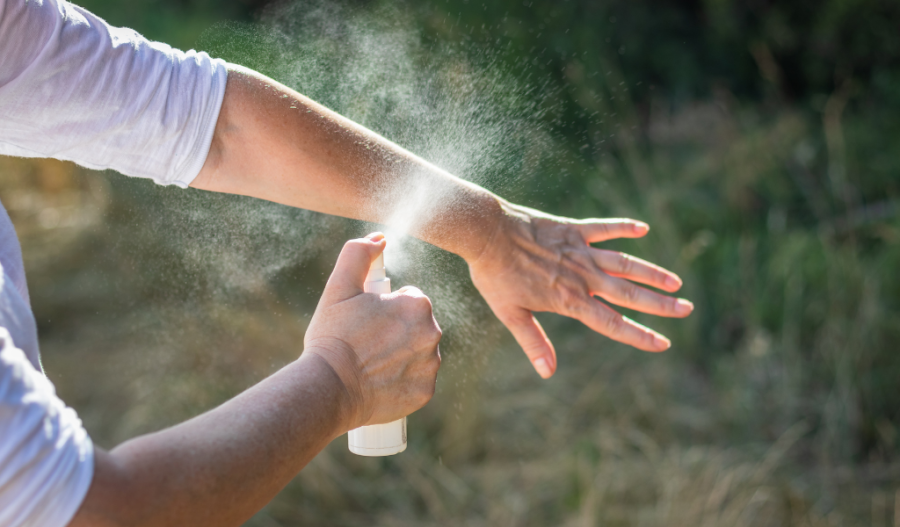



Saying hello to summer also means saying hello to those annoying bugs hanging around your backyard. From mosquitos to flies, wasps and roaches, these insects are coming in full force and making your patio their new home. Using bug repellant is often the top option for getting rid of these unwanted guests, however opting instead for a more natural way will not only keep the bugs away but keep the environment safe. From creating your own bug repellant to growing plants that naturally repel bugs, check out more ways to get rid of these pests without harming the environment!
Make Your Own Bug Repellant
Create your own bug repellant using items you may already have at home. This will not be the strongest option to repel bugs, but it does do the job and saves you money as well. All you will need is the following:
• A one-quart spray bottle
• 1 pint distilled white vinegar
• 1 pint water
• 25 drops of tea tree oil
• 25 drops of lavender essential oil Mix the ingredients in the bottle and spray as needed. You can switch up scents for variety, just make sure they are minty or have a citrus aroma, as those are the odors that repel bugs. You can also pour the mixture into a container using a diffuser stick to help carry the smell.
Growing Plants That Naturally Repel
This option is great because not only does it deter bugs, but it brings color and sweet aromas to your backyard. Growing plants, especially native plants, that deter insects is easy, fun, and can be something that helps all year long. Citronella and lemongrass are great repellant plants for mosquitoes during the sweltering summer months. Lavender and marigolds are also good deterrent plants for flies and other flying insects. Make sure to place these around doors, windows, and in any space, you plan on utilizing with your family.
Use Smoke to Detract
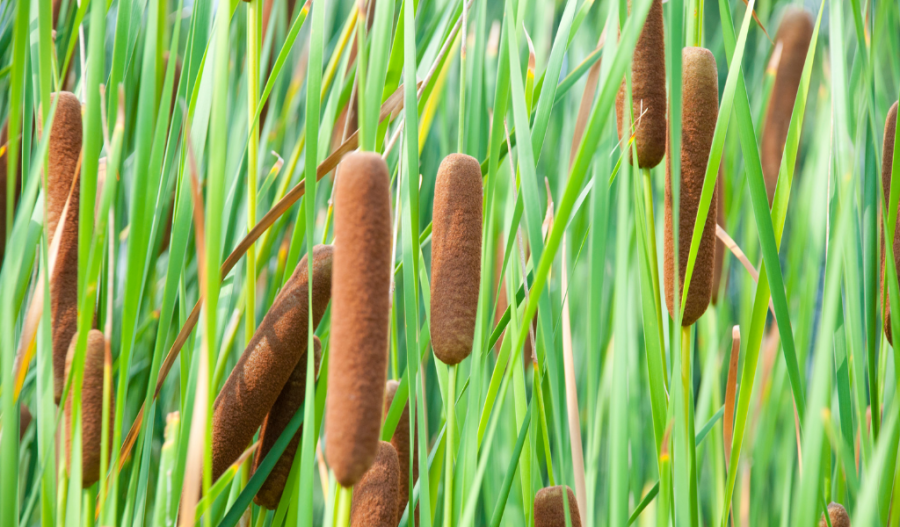
Ever notice how there are fewer bugs around when there is a bonfire going? The smoke from the bonfire detracts bugs from coming around as it makes it harder for the bugs to breathe. You can start up a bonfire every time you see bugs, or you can try these easier options. Try burning plants that live close to the water such as cattails. Light the dead brown seed head found atop the cattail and wait until it begins to smolder. Once it is smoldering, place it upwind with the glowing end towards the wind and sit where the smoke will surround you. If you cannot find any cattails, you can do the same thing with some rotten wood inside a fireproof container. The smoke will drive away the bugs and you can repeat this as often as you need to without much cleaning up. A safety precaution to take when trying this tip is to check for any burn bans. You can visit the Texas A&M Forest Service and use their interactive map to find any burn bans in your area.
Baby Powder
Are wasps and bees infiltrating your backyard and not in a good way? If your answer was “yes,” it is time to bring out the baby powder. Yes, you read that right, baby powder. Baby powder’s main ingredient is talc powder and flying insects, especially wasps, do not like it. The best way to use baby powder is to scatter little pools of powder around the windowsills with a bit of cinnamon sprinkled on top. As the wind blows the powder around the scent will travel and keep those wasps away. You can even sprinkle some around your flowers in your garden bed if you have an influx of bees you want to tame.
Swap Your Lightbulbs
At night, you will often see bugs hanging around your lights. There are many reasons for that and one compelling one—the heat emitted from the lightbulb attracts them. One way to reduce the heat and lower the chances your lights will attract bugs is to switch to LED lights. LED lights produce less heat and longer wavelengths of light, which bugs do not prefer. An even better option would be warm-colored LED lights, as these produce the longest wavelengths of any color.
From smoking wood to sprinkling baby powder around your yard, these tricks can help keep insects out of your yard and help you enjoy the outdoors. Bugs are ready for the warm, long days of summer and trying out some of these options can ensure these critters do not make your home, their home.