
Texas State Soil & Water Conservation Board
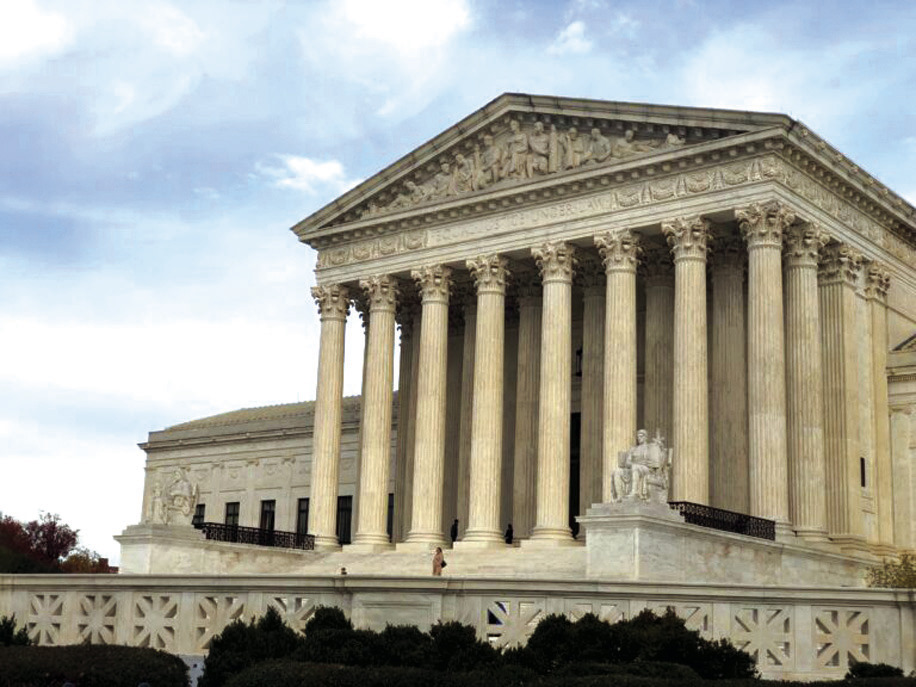
Last week, the United States Supreme Court heard oral argument in Devillier v. Texas, a lawsuit involving rural landowners who claim the State of Texas took their private property by building a highway in a manner that caused flooding on their adjacent lands.
Background
A group of Texas farmers, ranchers, and rural landowners filed an inverse condemnation action against the State of Texas claiming that the Texas Department of Transportation’s (DOT) widening of I-10 intentionally caused widespread flooding on their property resulting in a taking for which they were due just compensation.
The Plaintiffs are 70 landowners who own property east of Houston on the north side of I-10 in Jefferson and Chambers Counties. They claimed that DOT’s widening project raised the I-10 roadway and built a three-foot-high impenetrable concrete dam across the middle of the roadway that separates the eastbound and westbound lanes. Plaintiffs claimed the purpose of this dam was to keep the south side of the highway dry during heavy rains, but that resulted in flooding their land north of the highway. That is what occurred in 2017 when Hurricane Harvey hit and their properties were flooded and subsequently thereafter in other storms. On the eve of Tropical Storm Imelda in 2019, the landowners asked DOT to remove some portions of the dam, or to allow the landowners to do so. This request was denied, and flooding occurred again.
Editor's Note: To find out more information on this case (Lawsuits, Plaintiffs' Arguements, and Texas' Arguements) search on our website www. sansabanews.com for 'Texas Takings Case - more information' on Wednesday morning, February 14, 2024.
What Happens Next?
The United States Supreme Court will issue an opinion in this case before its term ends in June. It is likely that the Court’s opinion will answer the question of whether the Plaintiffs’ have a federal cause of action. If they do, the case will be remanded, and they will be able to pursue both the federal and state-level causes of action for a taking. If they do not, their federal takings claim will be dismissed, and they will be able to pursue their remaining causes of action.