
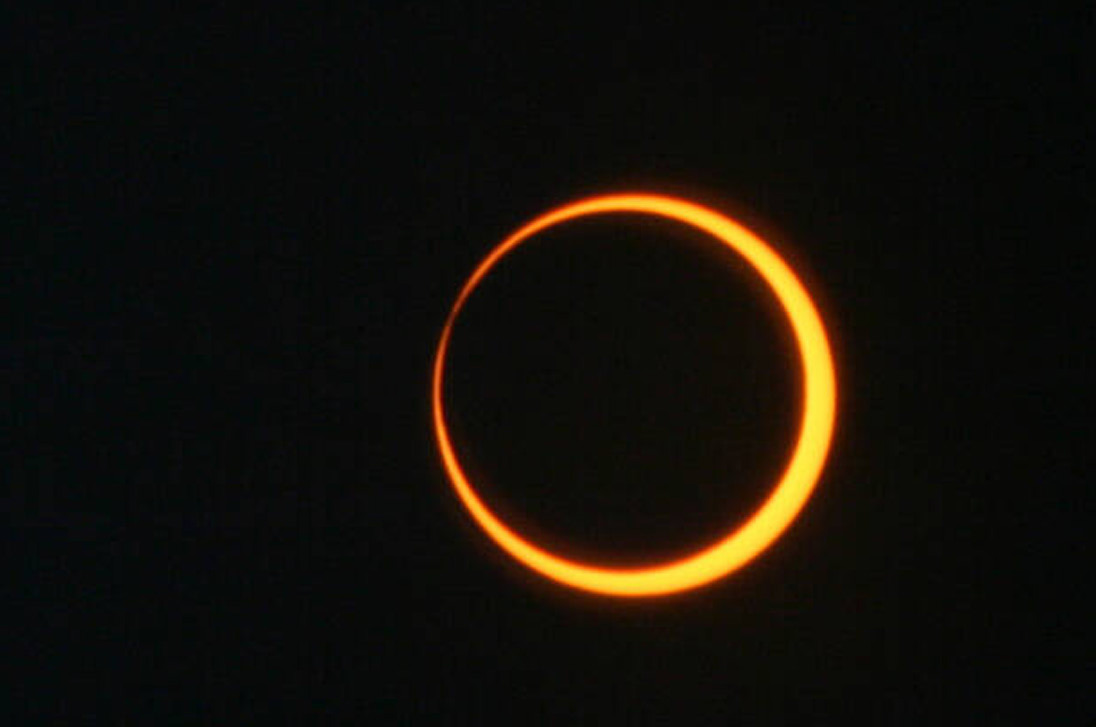
With it being six years since the last solar eclipse, state officials are warning Texans to prepare for the October 14 event, as it is expected to draw thousands to the Lone Star State.
The Texas A&M AgriLife Extension Service’s Disaster Assessment Recovery (DAR) unit, along with state emergency preparedness officials, urge individuals to be mindful of increased traffic and resources leading up to and the day of the event. For context, in 2017, the last solar eclipse in the U.S., the state of Kentucky saw a 222% increase in automobile traffic, while Tennessee saw more than 1 million visitors for eclipse events.
“In Texas, we are anticipating significant increases in roadway traffic, potentially causing delivery delays, as well spikes in fueling locations, hotels, restaurants and other venues as visitors position themselves for this unique event,” said Bryan Davis, AgriLife Extension DAR area chief south region. “Additionally, people should be prepared for more unexpected impacts like increased strains on cellular service.”
The annular, or ring-shaped, solar eclipse, when the moon passes between the Sun and Earth but does not completely cover the sun, is predicted to begin Oct. 14 at 10:23 a.m. and conclude at 1:33 p.m. It is best viewed from the west regions of Texas, according to officials. The Texas Parks and Wildlife Department has compiled state park viewing locations. It will be visible in San Antonio at 11:54 a.m. for approximately four minutes and 21 seconds.
By Texas A&M Today There will be a Total Solar Eclipse over Texas on April 8, 2024. San Saba is in the path! Get your Eclipse gear including Eclipse glasses, T-shirts, etc, right here in San Saba!