

At Cherokee Home for Children, learning responsibility begins with something as simple as making a bed or washing a load of laundry. But behind those everyday tasks is a much bigger purpose: helping children experience the value of belonging to a family and learning how to work together as a team.
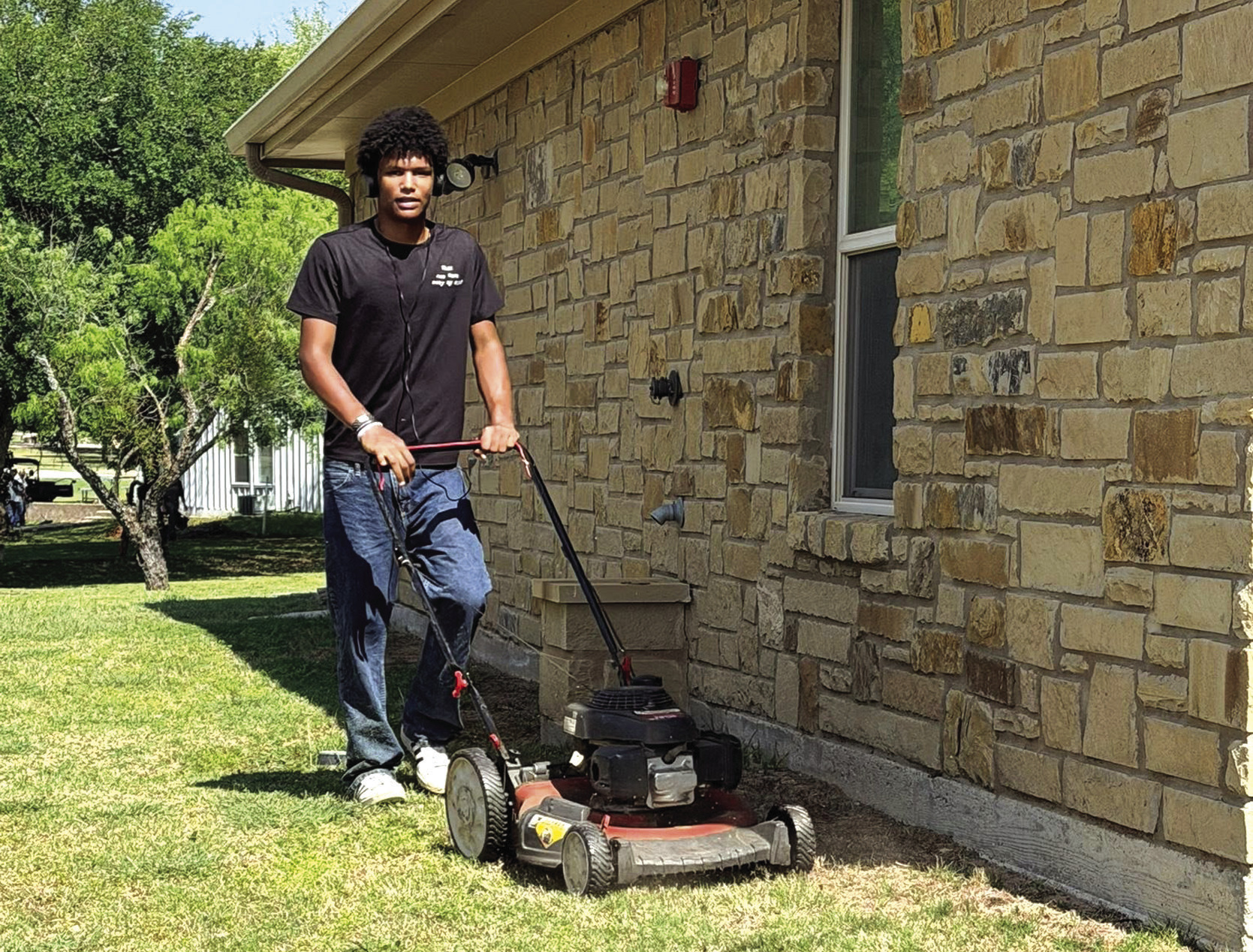
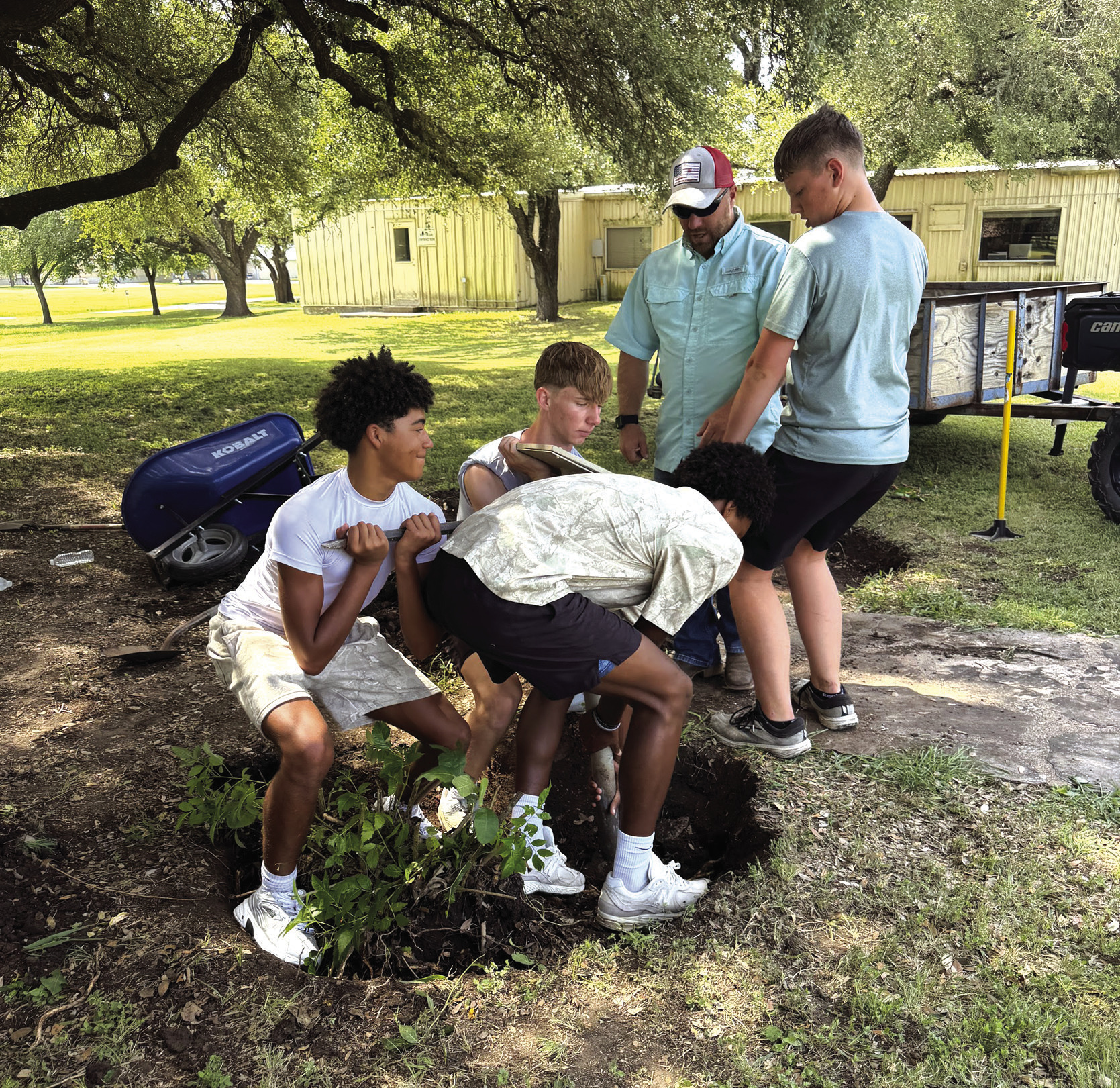
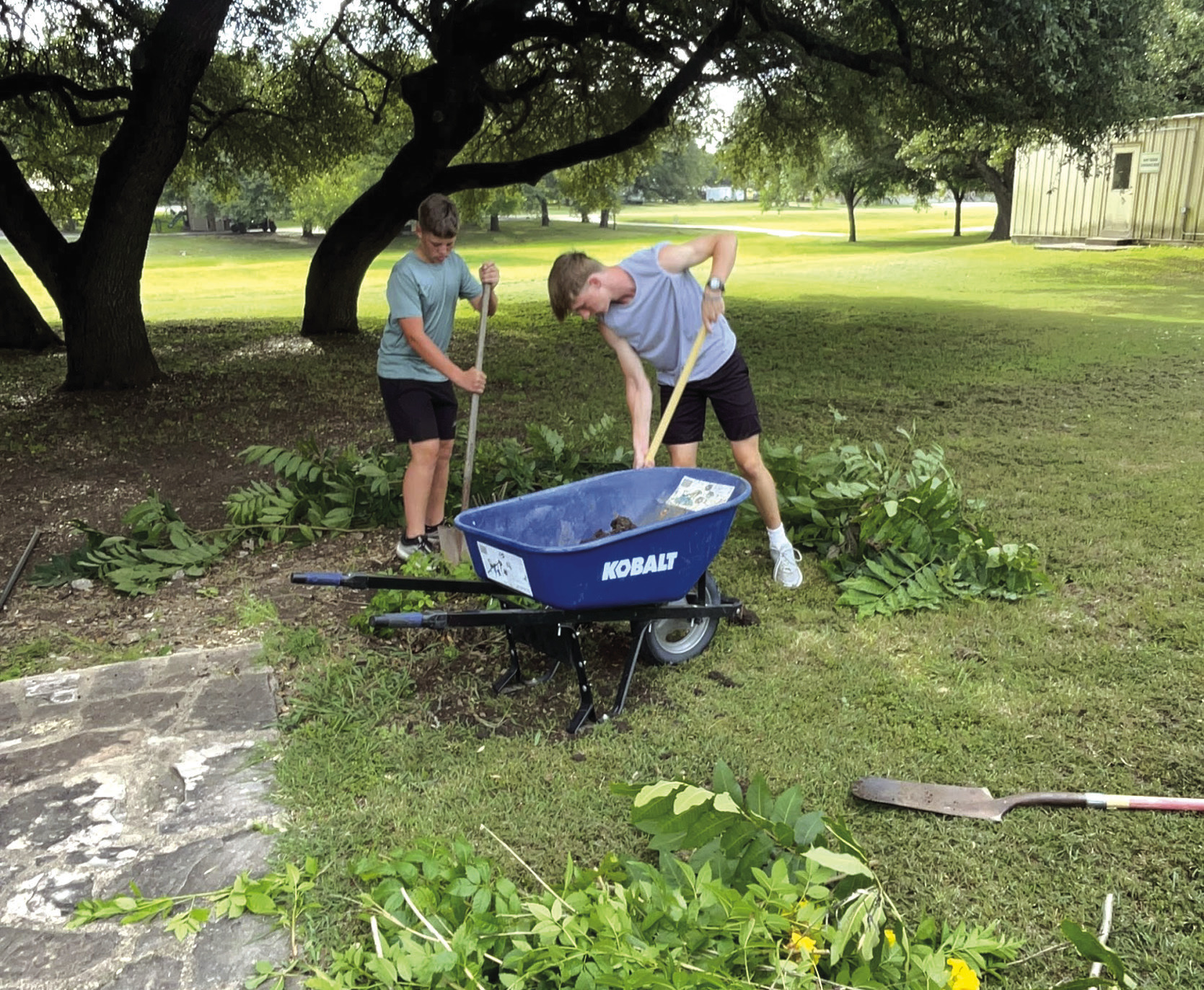
From a young age, children are expected to participate in age-appropriate chores such as doing their own laundry, keeping their rooms clean, and helping maintain shared living spaces. As students grow older, they are given additional opportunities to develop practical life skills that will prepare them for adulthood. Teens learn meal planning, grocery awareness, cooking, yard work, and home and car maintenance skills while gaining confidence in their ability to care for themselves and others.
Students who demonstrate responsibility and a strong work ethic may apply for on-campus jobs where they earn money while serving the Cherokee Home community. These positions include cleaning shared facilities, assisting with landscaping projects, and helping in the office or library. Through these opportunities, students learn punctuality, teamwork, leadership, and the importance of following through on commitments.
That responsibility increases as students enter Cherokee Home’s Transitional Living Program. Teens in the program are expected to work at least 15 hours each week while balancing school activities, extracurricular involvement, and personal responsibilities. The goal is not only employment, but learning how to manage real-world expectations with integrity and consistency. Several businesses in Llano and San Saba have partnered with Cherokee Home by employing teens from the program, helping provide valuable workplace experience and mentorship.
As students earn paychecks, they also learn financial responsibility. Teens create savings goals and work toward major milestones such as purchasing their own vehicles and preparing for future independence. They are encouraged to balance saving for the future with managing spending money wisely and practicing generosity through tithing.
These lessons are about more than chores or jobs. They are about helping children grow into capable, dependable adults who understand the importance of family, responsibility, and serving others.
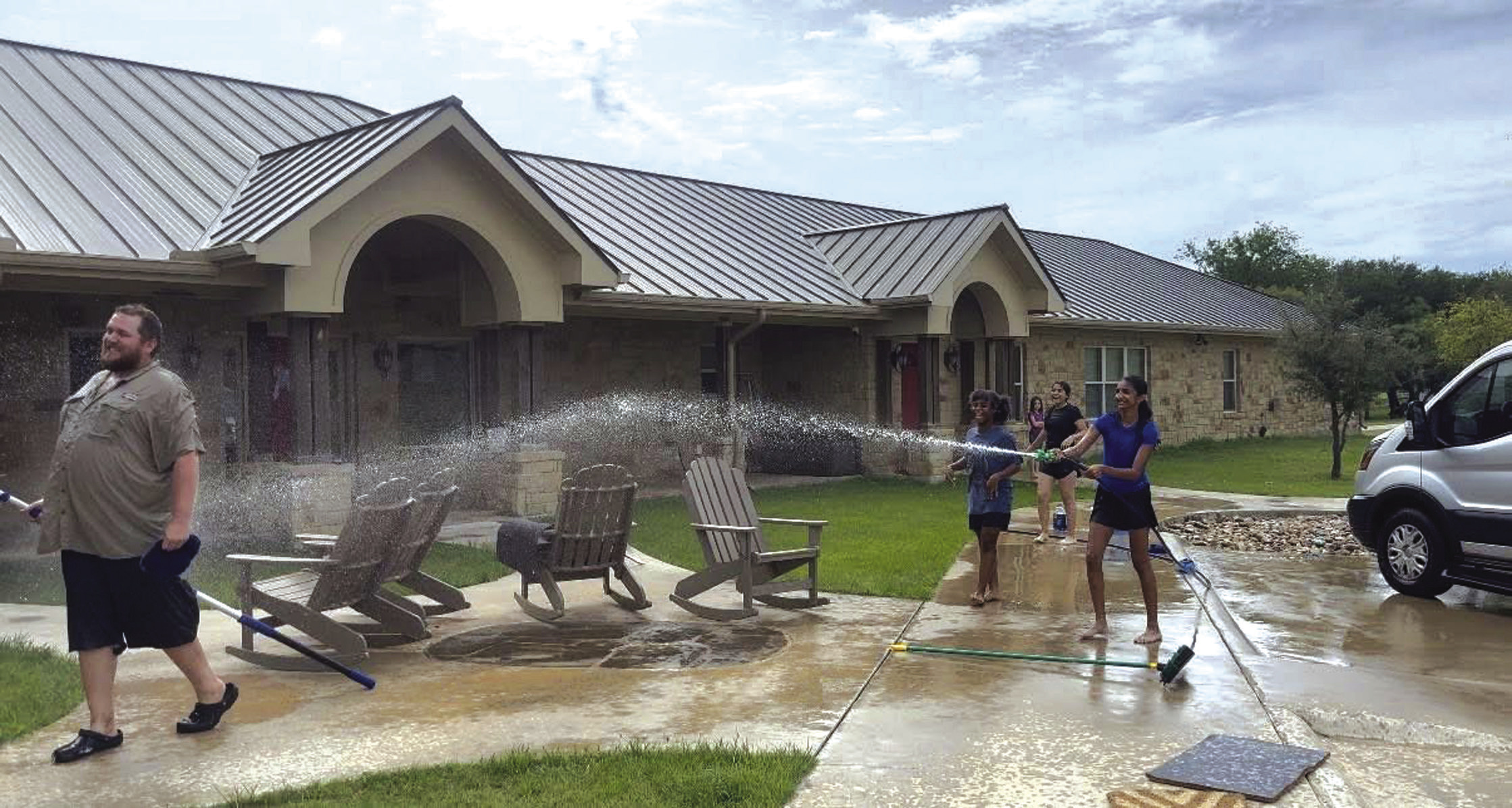
Whether it’s working together as a family to wash the cottage van or independently preparing a meal, every completed chore helps equip our children for a stronger future.