
Light bulbs are tricky to recycle, as they require special care for safe handling. It can also be a challenge to find a place where they can be dropped off locally. Read on to learn the basics of how to manage these items in your home and find places to recycle them.
Source: Take Care of Texas Blog
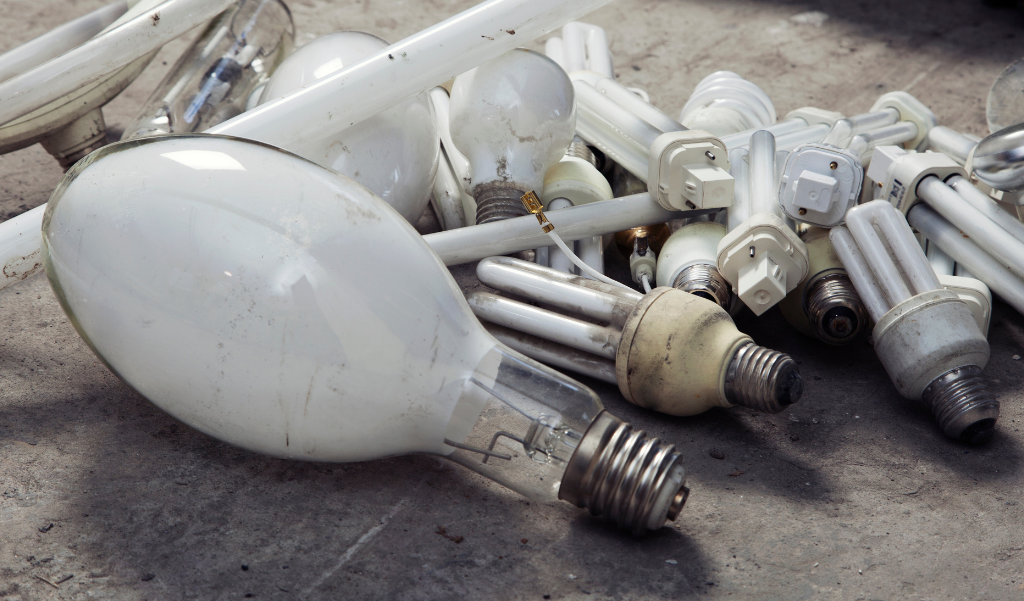
Fluorescent Light Basics
Did you know that some light bulbs contain mercury, a chemical element that can be hazardous to your health and the environment?
Fluorescent bulbs (which can include the tubes that light up your garage, compact fluorescent bulbs, HID lamps, bug zappers, black lights, and neon lights) contain small amounts of mercury and require care when disposing of them—especially if they are broken.
TCEQ highly recommends recycling household fluorescent bulbs. But where can you recycle them? You can reference this list of Texas HHW Programs to find your local Household Hazardous Waste collection. Check the collection’s website or call ahead to confirm that they accept fluorescent bulbs.
Other Options for Recycling
If your local HHW collection does not accept fluorescent bulbs or you do not have a collection near you, you can check www.Earth911.com or www.LampRecycle.org for other recycling options. Some of the listed options are free while others have an associated fee, so call ahead to find out.
Another option is to check with your local home improvement store (like Lowe’s or Home Depot), which may also charge a fee to recycle used bulbs.
Finally, some bulb manufacturers and other organizers sell pre-labeled recycling kits that allow you to mail used bulbs to recycling centers. More information can be found on the EPA’s website at EPA: Recycling and Disposal of CFLs.
Handling Broken Fluorescents
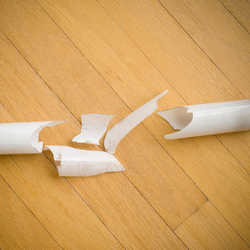
Special care should be taken when handling and disposing of broken fluorescent bulbs.
- First, have everyone, including pets, leave the room and let it air out for 5-10 minutes.
- Do NOT vacuum until all other cleanup steps have been taken to prevent the spread of mercury-containing powder or mercury vapor.
- Shut off any heating or cooling systems.
- Use stiff paper or cardboard to scoop up broken glass and sticky tape to pick up the smaller broken pieces or any dust.
- Place everything, including the materials used to clean up, in a sealed container.
- Immediately put your sealed container of cleanup waste in a trash container or in an area that is safe until it can all be disposed of.
Follow the previous tips for recycling or disposing of the broken bulb materials and check with your local recycling facility or organization to make sure they accept broken bulbs. If you have questions or concerns, please call the toll-free national Poison Control help line at 800-222-1222.
The EPA also has a printable guide that details how to handle a broken fluorescent bulb. Print or download that on their EPA: Broken Fluorescent Bulb Cleanup page.
Disposing of Other Types of Light Bubs
Other types of old or broken bulbs, including incandescent, halogen, and LED, can be disposed of in your regular trash. Some local HHW collection programs accept these other bulbs, but always call ahead to confirm. If you’re tossing them in your trash, please put the bulbs in a protective container, like an old cereal box, to prevent broken bulbs from tearing open trash bags or causing injury.
Business and Commercial Bulb Recycling
The information above applies to household light bulbs. For information on how to manage fluorescent bulbs for commercial or industrial organizations, please see the TCEQ guide about complying with laws when disposing of lamps and other equipment containing mercury.