
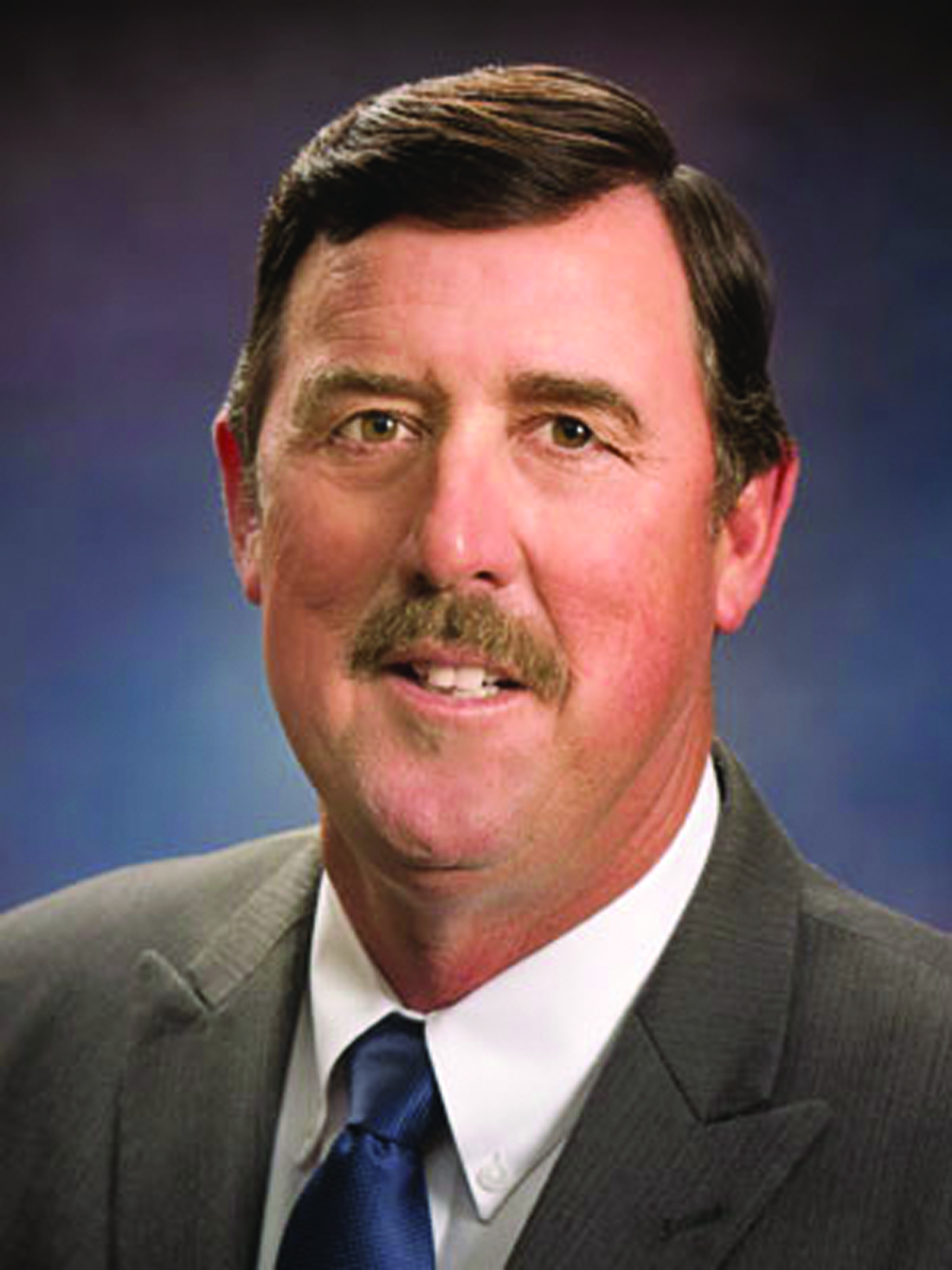
Texas Farm Bureau Passage of OBBB Act a major step forward for agriculture
The following statement may be attributed to Texas Farm Bureau President Russell Boening following today’s (July 3rd) passage of the One Big Beautiful Bill Act by the U.S. House of Representatives.
“Texas Farm Bureau congratulates the U.S. House of Representatives and President Donald Trump’s administration on passage of the One Big Beautiful Bill (OBBB) Act—a major step forward for agriculture.
“The OBBB Act includes many critical provisions that strengthen the farm safety net, provide much-needed tax cer- and support the long-term viability of Texas farms and ranches. These measures are essential as producers face rising input costs and a challenging economic landscape.
“We applaud the administration’s leadership and our congressional allies who recognized the urgent needs of agriculture and delivered meaningful solutions. We are especially grateful to the many members of the Texas delegation who stood with farm and ranch families and worked to ensure this bill puts farmers and ranchers first.”
Texas Farm Bureau supports USDA plan to reopen border trade with Mexico
Texas Farm Bureau supports USDA plan to reopen border trade with Mexico The following statement may be attributed to Texas Farm Bureau President Russell Boening regarding the opening of the first point of entry at Douglas, Arizona, to shipments of cattle, bison and horses from Mexico.
“U.S. Secretary of Agriculture Brooke Rollins has taken action to address the New World screwworm outbreak in Mexico through diplomacy, U.S. oversight and verified mitigation efforts.
“These measures have helped slow the northward progression of the screwworm in southern Mexico and paved the way for a phased reopening of live cattle imports into the United States beginning with the port of entry in Douglas, Arizona.
“Texas Farm Bureau supports Secretary Rollins’ plan. The established animal import process has a proven track record of safeguarding livestock health and has now been strengthened with enhanced pest and disease protocols, rigorous inspection standards and mandatory treatments.
“Under the updated procedures, cattle are first inspected in Mexico for wounds or other signs of screwworm infestation. If any signs are detected, the entire lot
“Eligible cattle that pass the first inspection are then treated with anti-parasitic medication and quarantined for three more days prior to transport to a border port. Upon arrival, they undergo a second round of veterinary inspection at the port facility before being treated again for parasites like New World screwworm and cattle fever ticks.
“This dual-layered inspection process provides strong assurances to Texas ranchers and cattle feeders that imported livestock meet the highest health standards.
“We appreciate Secretary Rollins’ commitment to protecting the U.S. cattle industry and finding practical, science-based solutions to maintain safe and steady trade.”