
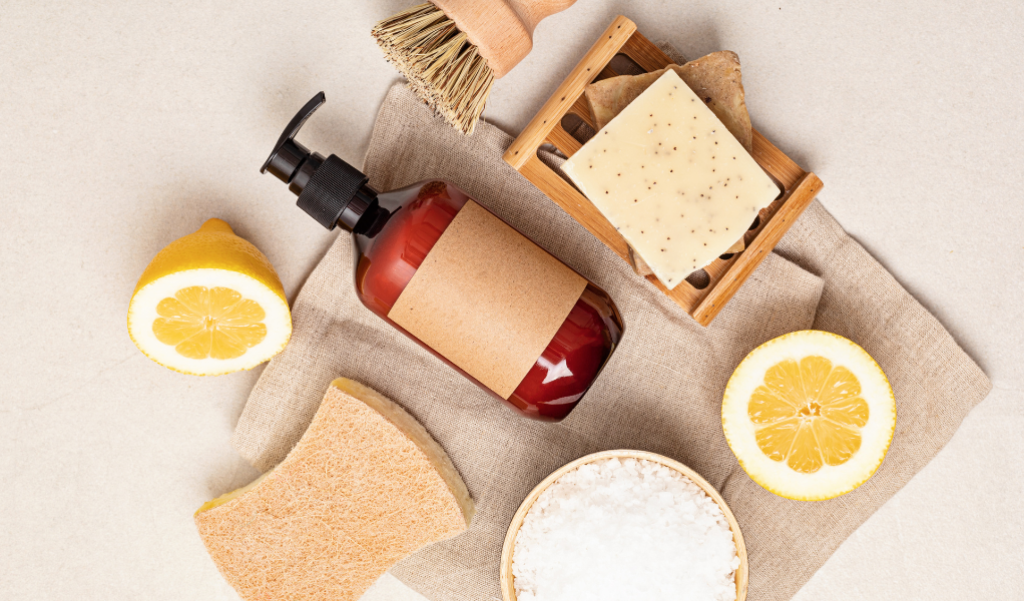
Maintaining a clean and hygienic environment is essential for the well-being of everyone in our community. While cleanliness is crucial, it is equally important to prioritize health and safety. Non-toxic cleaners offer a solution that effectively cleans your home, classroom, or office while minimizing exposure to harmful chemicals. Using materials already available will also help minimize costs and reduce waste.
Glass/Window Cleaner
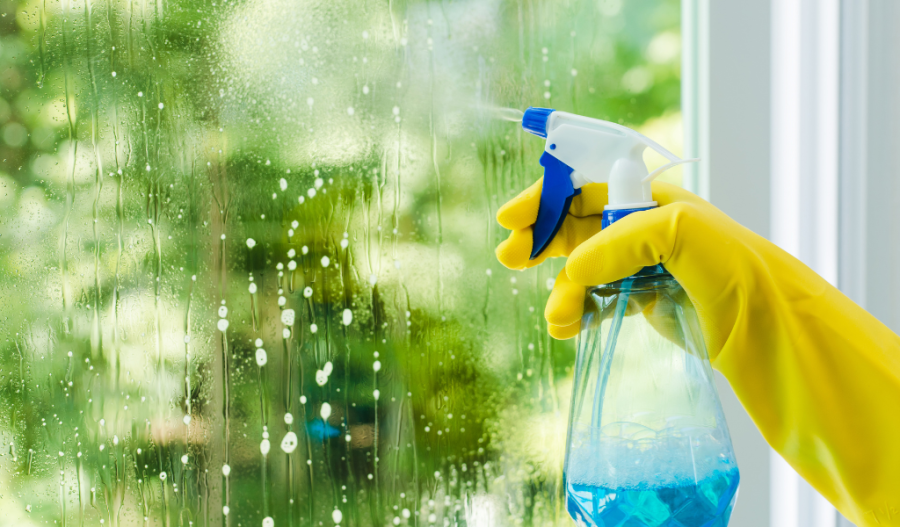
For a non-toxic alternative to the traditional window spray, mix in a large container: 3 tablespoons cornstarch, 1 cup of white vinegar, and 1 gallon of warm water. Vinegar's acidic nature cuts through grime and streaks on glass surfaces, leaving them sparkling without the need for toxic components. If you don't have cornstarch around, no worries, you can mix equal parts white vinegar and warm water.
Drain Cleaner
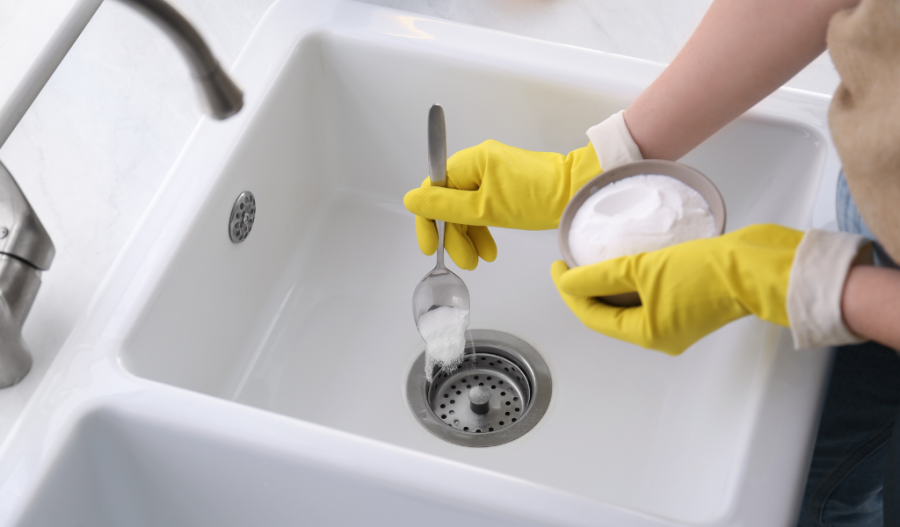
Even the cleanest person finds themselves with a clogged drain sometimes. A simple solution for clearing a clogged drain involves pouring one cup of baking soda down the drain, followed by one cup of white vinegar. After allowing it to fizz for about 15 minutes, flush the drain with hot water. This non-toxic combination effectively breaks down clogs without the need for caustic drain cleaners.
All-Purpose Cleaner
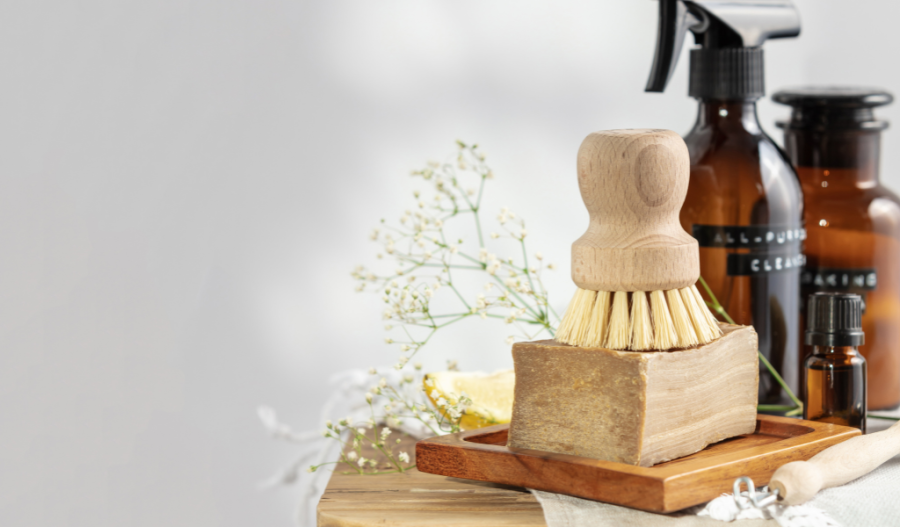
Create an effective all-purpose cleaner for any area by mixing equal parts water and castile soap in a spray bottle. Castile soap, derived from plant-based oils, provides a gentle yet potent cleaning action that is safe for a variety of surfaces. This non-toxic cleaner is great for desks, tables, and other surfaces. Another recipe calls for dissolving 4 tablespoons of baking soda into 1 quart of warm water. The baking soda will clean and deodorize all surfaces.
Carpet Cleaner
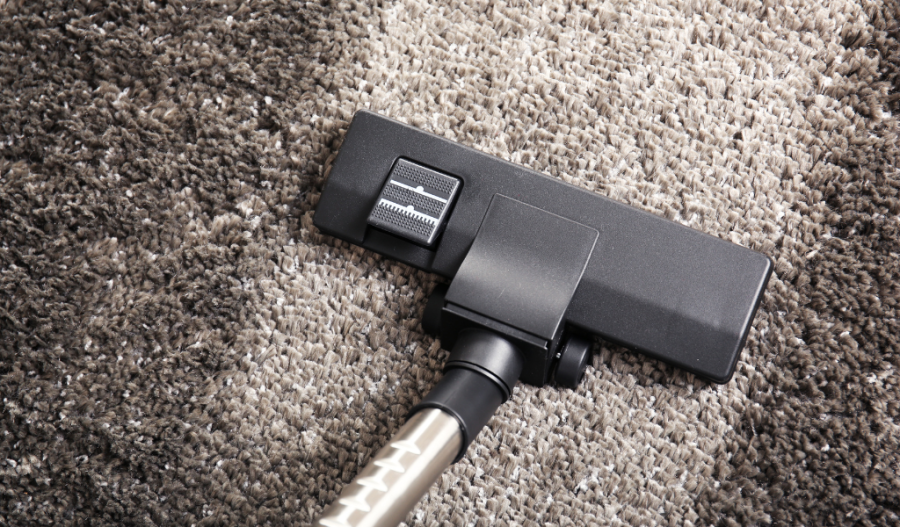
This next recipe is perfect for any room with carpets, rugs, or other fabrics. In a shaker, combine baking soda with a few drops of essential oil, such as lavender or tea tree oil, to add a pleasant scent and natural antimicrobial properties. Sprinkle this mixture liberally over the carpet, let it sit for about 15-30 minutes, then vacuum it up. This non-toxic solution deodorizes and freshens the carpet without harsh chemicals.
Spot Remover
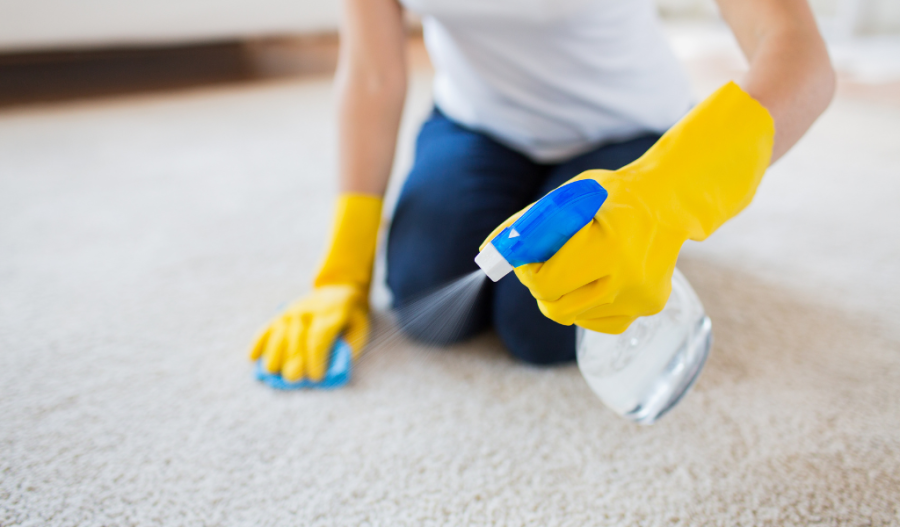
A mix of equal parts water and hydrogen peroxide can effectively remove stains on upholstery and carpets. This solution is gentle and safe for tackling tough spots. If you find permanent marker marks on hard surfaces, use a dry erase marker to mark over the permanent marker and then wipe away. Rub some rubbing alcohol or hydrogen peroxide or even soak in milk if you find ink spots on fabrics.
Furniture Polish
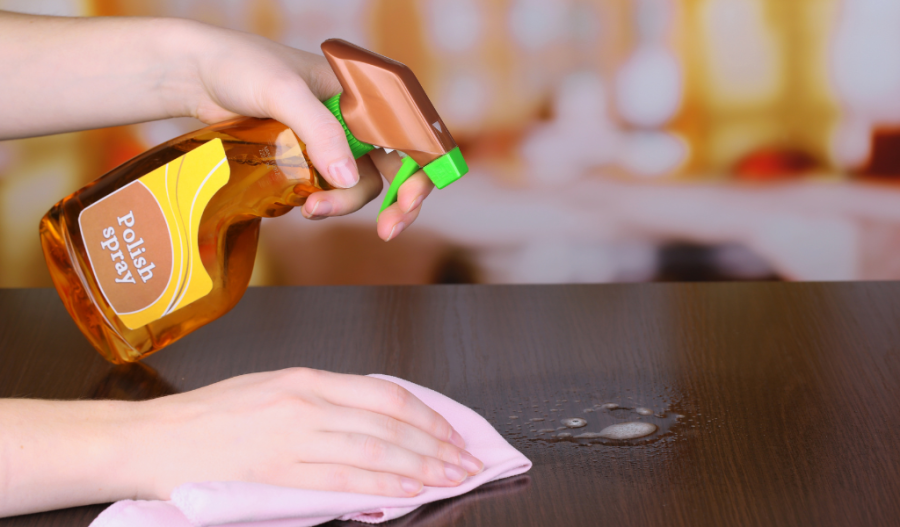
Mix equal parts olive oil and white vinegar in a spray bottle and add a few drops of essential oil for fragrance, such as lemon or orange oil. This non-toxic blend effectively cleans and polishes wooden surfaces while also nourishing the wood and leaving a natural shine. An alternative to the oil and vinegar mix is using coconut oil or beeswax and mixing that with equal parts lemon juice.
Sink Cleaner
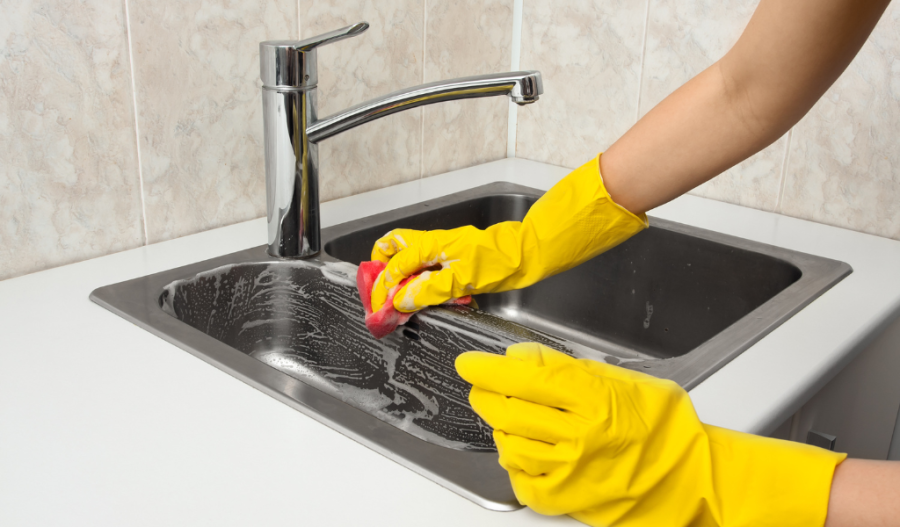
For cleaning and deodorizing sinks, sprinkle baking soda directly onto the surface, then scrub with a damp sponge or cloth. Baking soda's gentle abrasiveness helps remove stains and odors without the need for harsh cleaners. You can also mix the baking soda with 2-3 tablespoons of liquid castile soap.
Dust Remover
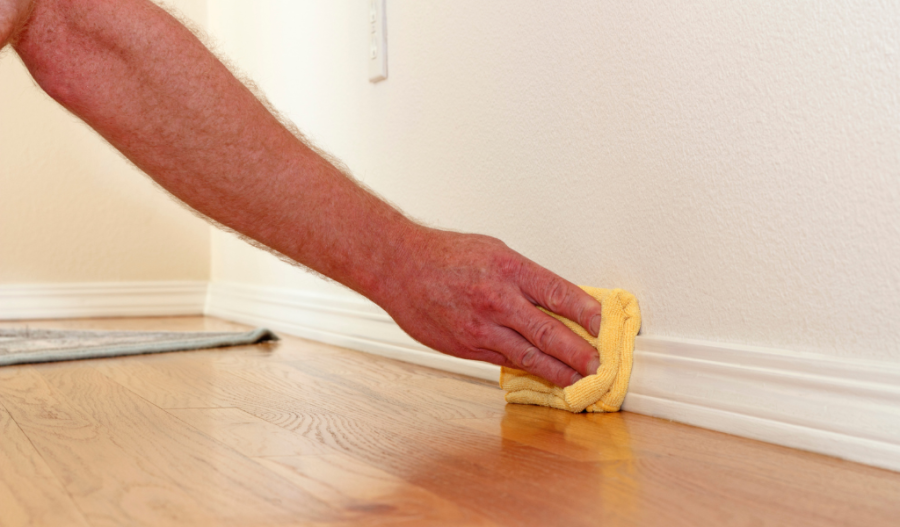
To effectively trap and remove dust, lightly mist a microfiber cloth with water and gently wipe surfaces. The damp cloth effectively captures and removes dust particles without the need for chemical-laden dusting sprays. You can also create a dust repellent spray by combining 2 cups of water, 1 cup of vinegar, 2 tablespoons of olive oil, and a drop or two of dish soap. Use this after dusting to keep the dust away for longer.
Keeping your home or classroom clean doesn’t have to come at the expense of health or the environment. These simple, natural alternatives effectively tackle cleaning tasks, ensuring a sparkling and safe environment for everyone.