
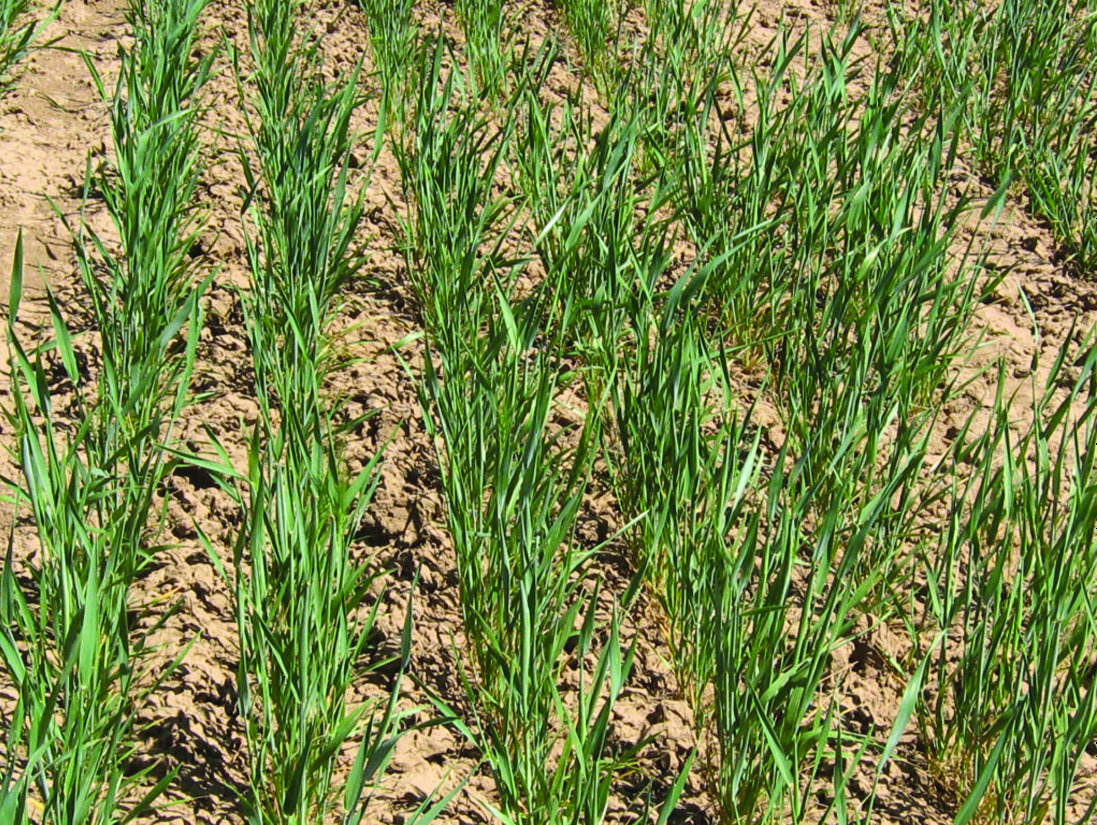
Recent rainfall and cooler temperatures allowed producers across the state to plant coolseason crops and get root systems established before winter, said a Texas A&M AgriLife Extension Service expert.
Outlook brighter coming out of drought
Throughout the last week, different areas across the state other than the Far West and Panhandle regions, received around two inches of rain on average, with some areas getting three to five inches of rain.
William Baule, Ph.D., Texas A&M University Department of Atmospheric Sciences regional climatologist at the Southern Regional Climate Center, said forecasts called for more rain and colder temperatures, which will continue to improve soil moisture conditions.
“Coming out of the second hottest summer for Texas, we have seen warmer-than-average temperatures until now,” Baule said. “But we’re seeing better weather trends for much of the state going into winter.”
Entering the winter season, outlooks are showing an equal chance for above or below normal temperatures, with a higher probability for precipitation entering into the El Niño pattern.
Weather change benefits producers
An extremely dry and hot summer was followed by an abnormally dry fall, said Reagan Noland, Ph.D., AgriLife Extension agronomist, San Angelo.
“We usually have rain in late August and throughout September that helps finish our cotton crop and prepare for winter crops,” he said.
This year, though, the lack of rainfall, coupled with heat stress through the late summer months and into the fall, resulted in much of the cotton acreage failing or with extremely low yields.
“Irrigated crop systems in this region usually maintain productivity in dry years,” Noland said. “But coming out of a three-year drought, our irrigation water was depleted and couldn’t keep up with demand.”
The recent rainfall brought producers some relief and allowed them to plant winter crops like wheat. They hope the El Niño pattern will continue to deliver above-average moisture, Noland said.
“This rainfall is tremendous for our winter crops,” Noland said. “It’s too late for the cotton, and a bit late for fall and winter grazing, but will provide our producers the soil moisture needed to get winter wheat established and off to a good start.”
AgriLife Extension district reporters compiled the following
A few thunderstorms swept the district, bringing anywhere between 3-8 inches of rain in some areas. This soil moisture allowed oat and wheat crops to be planted and established in the soil. Some hay producers were completing their final cut of hay. Irrigated cotton producers were applying harvest aids. Cotton was in poor condition, and very few acres were harvested. Winter wheat was in good condition and will continue to benefit from recent rains. Rangeland and pastures were improving. Supplemental feeding continued for cattle herds. Local cattle markets have slowed down, and prices remain high.
To see the report on other areas in the state, go to: https:// agrilifetoday.tamu.edu/category/ farm-ranch/.
Saba area: West Central summary for our San