
New data shows SNAP’s economic impact in counties across the state.
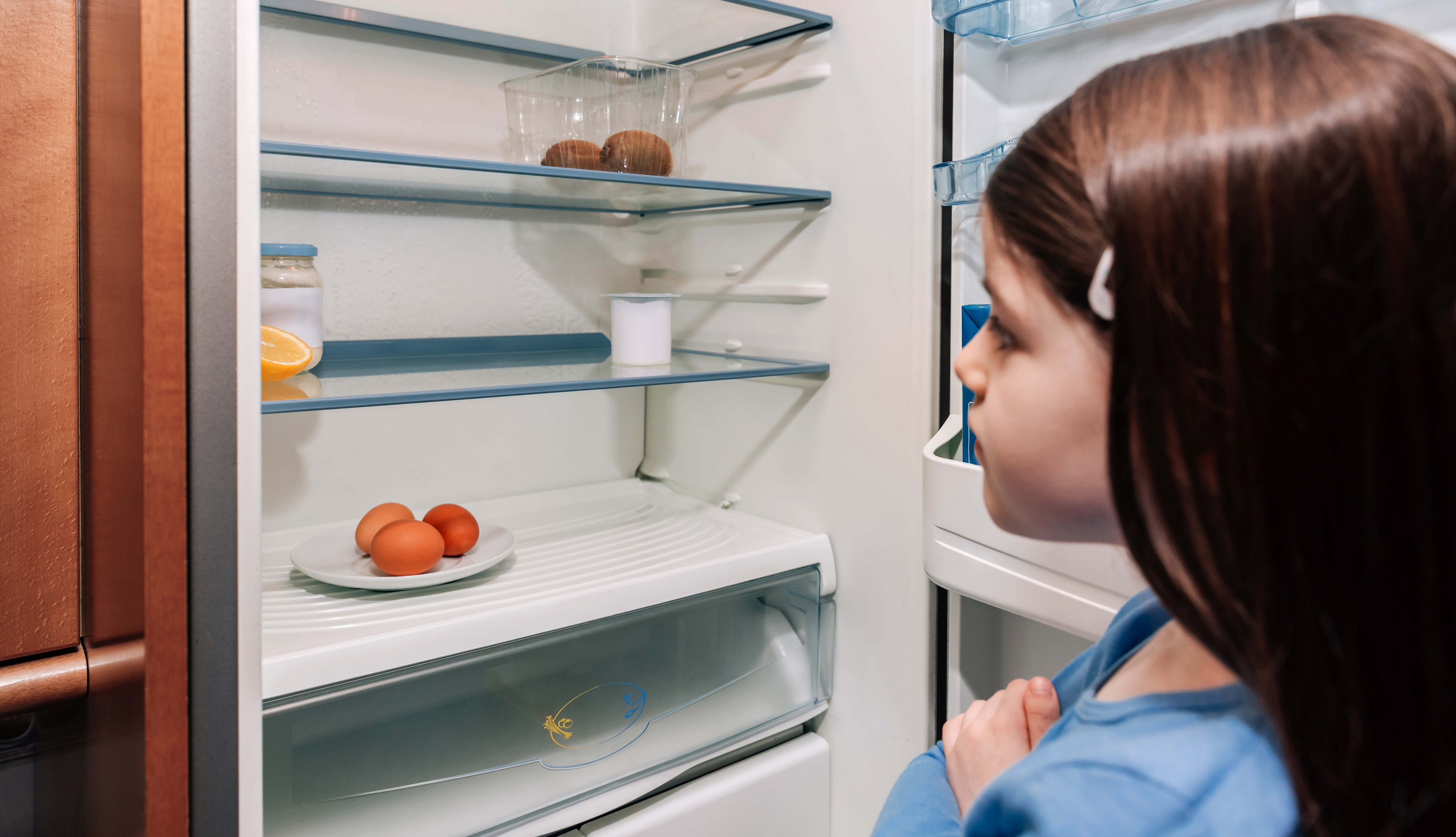
TEXAS – As Congress considers sweeping cuts to SNAP and other critical nutrition programs, Feeding Texas releases county and state level data to show SNAP’s economic impact in Texas. In the 2024 calendar year, Texas issued $6.97 billion in total SNAP payments to Texas families participating in the program. These SNAP payments generated an estimated $10.73 billion in economic activity for the state — a 54% return on investment.
“SNAP is more than a nutrition program, it is a smart investment in our local, state and national economies,” said Celia Cole, CEO of Feeding Texas, the state association of food banks. “SNAP has a high return on investment that fuels economic activity across the nation. The program generates more than 10 billion dollars in economic activity for Texas; any significant cuts to SNAP would have far-reaching economic consequences for our state.”
According to USDA’s SNAP Multiplier report, $1 billion in SNAP benefits generates around $1.54 billion in gross domestic product (GDP), which supports 13,560 new jobs—including $32 million in added income going to agricultural industries that support 480 agricultural jobs. Using this USDA report, the Texas Health and Human Service Commission’s SNAP enrollment data, and average meal cost estimates, Feeding Texas calculated the economic impact of SNAP payments in Texas and the number of jobs and meals supported. In addition to $10.73 billion in economic activity that Texas can attribute to SNAP, the program is responsible for supporting more than 94,000 jobs and more than 2 billion meals for Texas families in need in 2024.
“Families who participate in SNAP to put food on the table would not be the only Texans harmed by the steep cuts that are being proposed,” Cole said. “Retailers, farmers, workers, and communities across our state all participate in a highly interconnected economic ecosystem and would feel the impact of SNAP cuts. If current proposals move forward, hungry families will suffer, food businesses will suffer, and our overall economy will be weaker.”
Texas economist Dr. Ray Perryman estimated the "cost of hunger" in Texas as part of a national analysis conducted in 2014. The Perryman Group quantified the total annual burden on the Texas economy from hunger-related health and educational expenses (and associated lost earnings due to health and educational deficiencies). They estimated these annual costs to equal $44.2 billion in expenditures, $21.3 billion in gross product and almost 239,500 jobs. In a separate 2019 study, the CDC estimated that food insecurity costs the U.S. healthcare system an additional $53 billion annually by triggering or exacerbating chronic diseases and fueling emergency room visits, hospitalizations and readmissions.
“SNAP is our nation’s first line of defense against hunger,” Cole said. “If we hinder the program‘s ability to do what it was designed to do, hunger will not simply disappear. Instead, hunger will persist and grow, becoming an even more costly problem to be addressed in the future. Our state and nation cannot afford massive cuts to SNAP — and we cannot afford to ignore hunger.”
Beyond the economic impact, any cuts to nutrition programs in the budget reconciliation process could pose a threat to passing a strong, bipartisan Farm Bill later this year. Reauthorization of a Farm Bill is critical to ensure our nation’s growers and producers can continue to provide abundant, affordable food to nourish our nation and nutrition programs can continue to provide for families in need.
“In the last year, Texas food banks have witnessed a surge in demand for food assistance, reaching levels not seen since the height of the pandemic,” Cole said. “This increase in demand is largely driven by higher grocery prices. Fully funding SNAP and maintaining the adequacy of benefits is good for everyone. It provides critical nutrition support for families, supports local economies, creates jobs, and has a proven long-term return on investment. Cutting benefits would undermine SNAP’s ability to prevent hunger, make it harder for food banks to meet the needs in our communities, weaken our nation’s economy, and threaten to derail Farm Bill negotiations. It’s a choice between a win-win-win and lose-lose-lose scenario.”
The Feeding Texas network strongly urges both the U.S. House and Senate to refrain from cutting SNAP or other critical nutrition programs.