
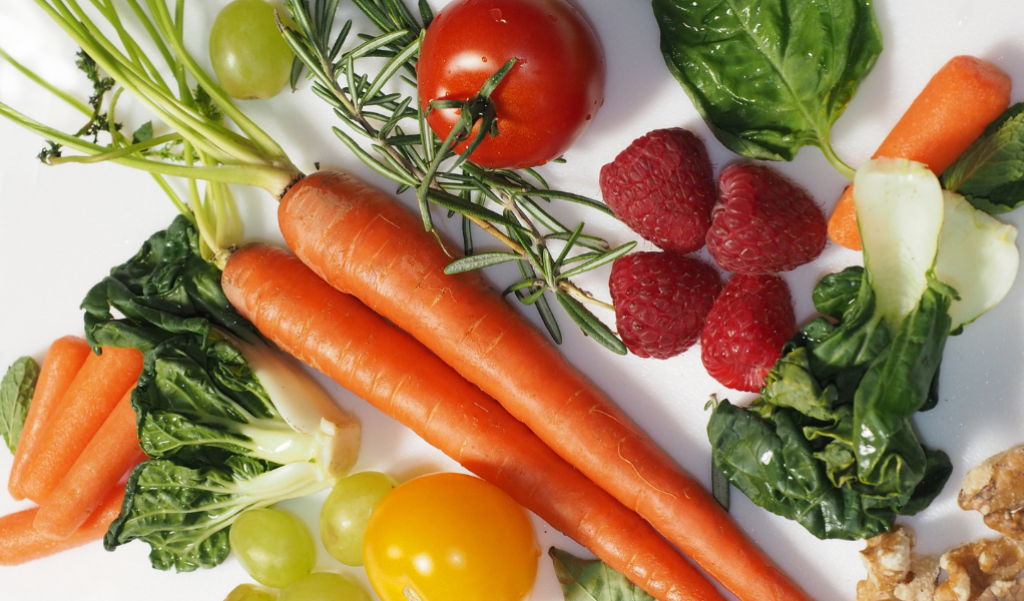
Want to enjoy fresh, homegrown produce without the hassle of a high-maintenance garden? Indoor gardening is the perfect solution—especially when you choose the right crops and provide them with the care they need to thrive. With just a little effort, you can cultivate a productive indoor garden that provides you with herbs, leafy greens, and even fruits, right from your windowsill or countertop.
Here’s a detailed look at the best low-maintenance fruits and veggies to grow indoors—and the best tips and tricks to help them thrive.
Leafy Greens
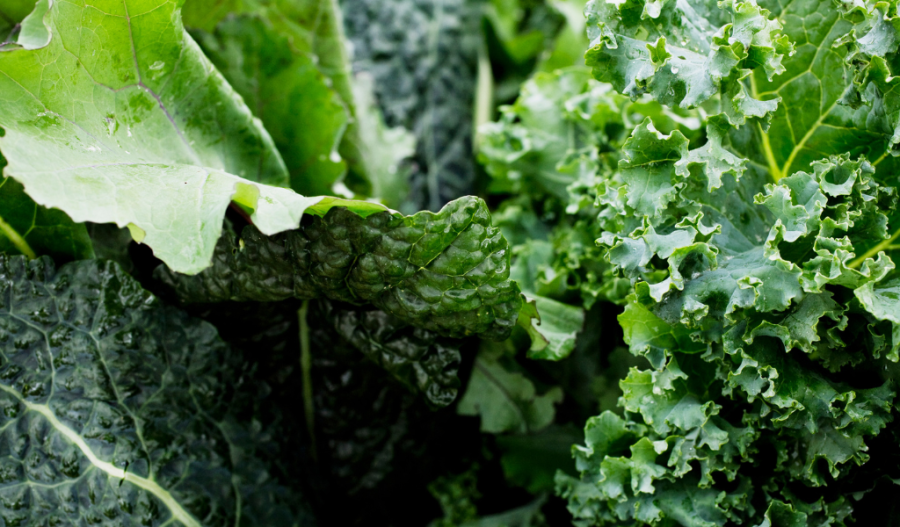
Leafy greens are some of the easiest and most rewarding vegetables to grow indoors. They don’t need deep soil, they grow quickly, and many of them can be harvested multiple times. Use shallow containers and plant densely to maximize your indoor harvest. Regular trimming promotes bushier, healthier plants.
Lettuce: Prefers cooler temperatures and partial sunlight. Leaf varieties like butterhead or loose-leaf types are ideal for indoor pots.
Spinach: Grows well in moderate light and germinates quickly. Harvest the outer leaves to encourage continual growth.
Kale: Baby kale is especially well-suited for pots. It's nutrient-dense and can grow in lower light than other vegetables.
Arugula: Fast-growing and peppery, arugula can be harvested in as little as 3-4 weeks.
Herbs
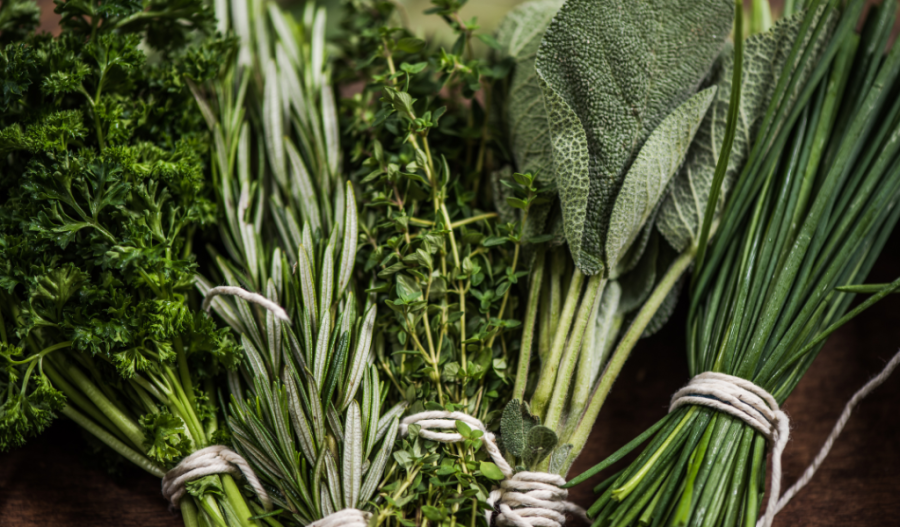
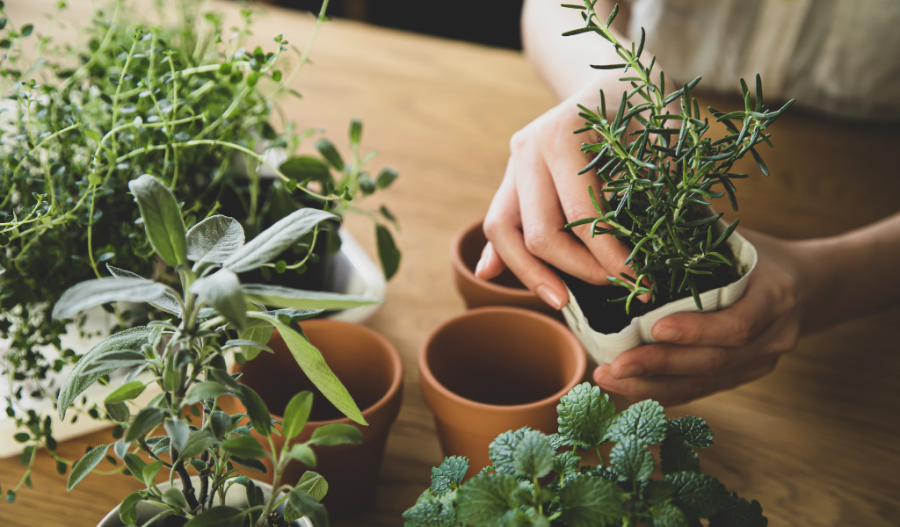
Herbs are a must for indoor gardening—compact, fragrant, and perfect for windowsill growing. Rotate herb pots every few days if the sunlight is uneven. This ensures even growth and prevents leggings.
Basil: Loves warmth and lots of sunlight. Pinch back the tops regularly to prevent flowering and keep it producing leaves.
Chives: A hardy herb that tolerates a range of light levels and regrows quickly after cutting.
Parsley and Cilantro: These leafy herbs prefer cooler conditions and regular watering. Snip from the outside to encourage new growth.
Mint: Grows rapidly and is almost too easy—consider using its own container to prevent it from overtaking other plants.
Oregano and Thyme: Thrive in drier conditions and need plenty of sun. They are slow growers but offer intense flavor.
Root Vegetables
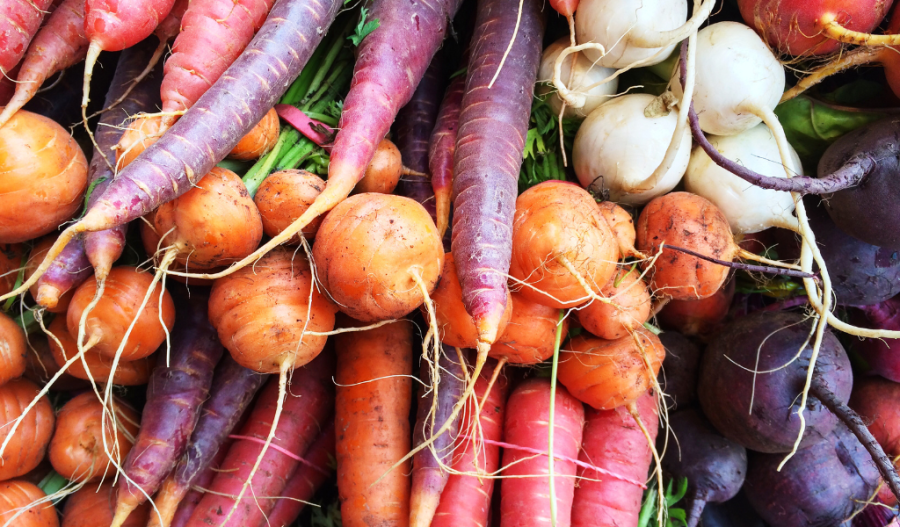
Though less common for indoor gardens, root vegetables like radishes and carrots can be grown in deep containers. Use loose, well-draining soil so roots can expand easily. Keep the soil moist but not soggy.
Radishes: One of the quickest crops, maturing in just 3–4 weeks. Use a deep container and space them properly.
Carrots: Opt for shorter varieties like ‘Thumbelina’ or ‘Paris Market’ which don’t need as much depth.
Microgreens
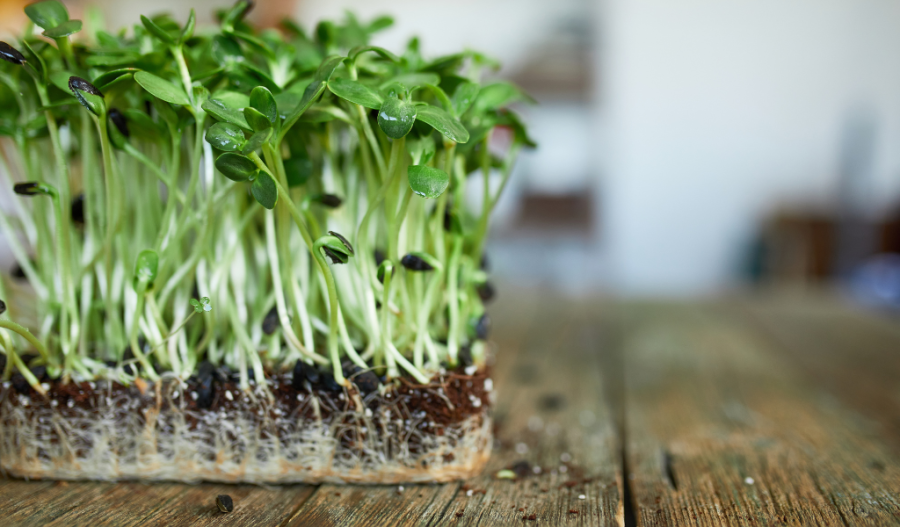
Microgreens are nutrient-packed baby greens harvested just after the first leaves appear. Popular options are radish, broccoli, kale, mustard greens, and lettuce microgreens. Use shallow trays with good drainage. Sprinkle seeds densely and mist regularly. Microgreens only need 1–2 hours of sunlight a day, making them perfect for a kitchen counter or office desk.
Strawberries
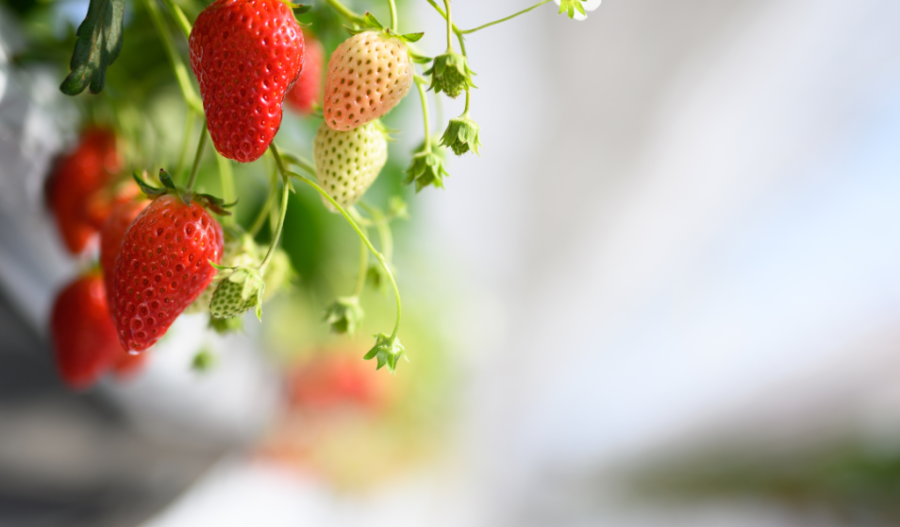
Yes, you can grow strawberries indoors! With a bit more care, they’ll reward you with sweet, fresh fruit all year. Choose day-neutral varieties, as they produce fruit continuously, regardless of daylight hours. Hanging baskets or window boxes with good drainage work well. Gently shake the flowers or use a soft brush to pollinate by hand indoors. Strawberries need 6+ hours of bright light daily. Consider a growing light for optimal production.
Tips and Tricks for a Productive Indoor Garden
Light: Most indoor edibles need 4–8 hours of light per day. A sunny south-facing window is ideal. Supplement with LED grow lights if natural light is limited.
Watering: Stick your finger into the soil—if it feels dry an inch down, it’s time to water. Use pots with drainage holes and saucers to prevent soggy roots.
Nutrients: Start with a high-quality organic potting mix. Every few weeks, feed your plants with an all-purpose organic fertilizer or compost tea.
Choosing the Right Plants: Look for dwarf or compact varieties that don’t need sprawling space or trellises. Many seed companies now label “container-friendly” plants.
Companion Planting: Even indoors, certain plant pairings can help with pest prevention and boost growth. Try basil near tomatoes or chives near carrots.
Regular Harvesting: The more you snip leafy greens and herbs, the more they grow. Don’t wait too long—frequent harvesting keeps plants producing.
Indoor gardening doesn’t have to be overwhelming. By choosing low-maintenance crops like leafy greens, herbs, and microgreens—and providing them with consistent care—you can create a lush, edible oasis right inside your home. With a few containers, a sunny spot (or grow lights), and a little patience, you’ll be enjoying fresh, homegrown flavor all year long. Happy growing!