
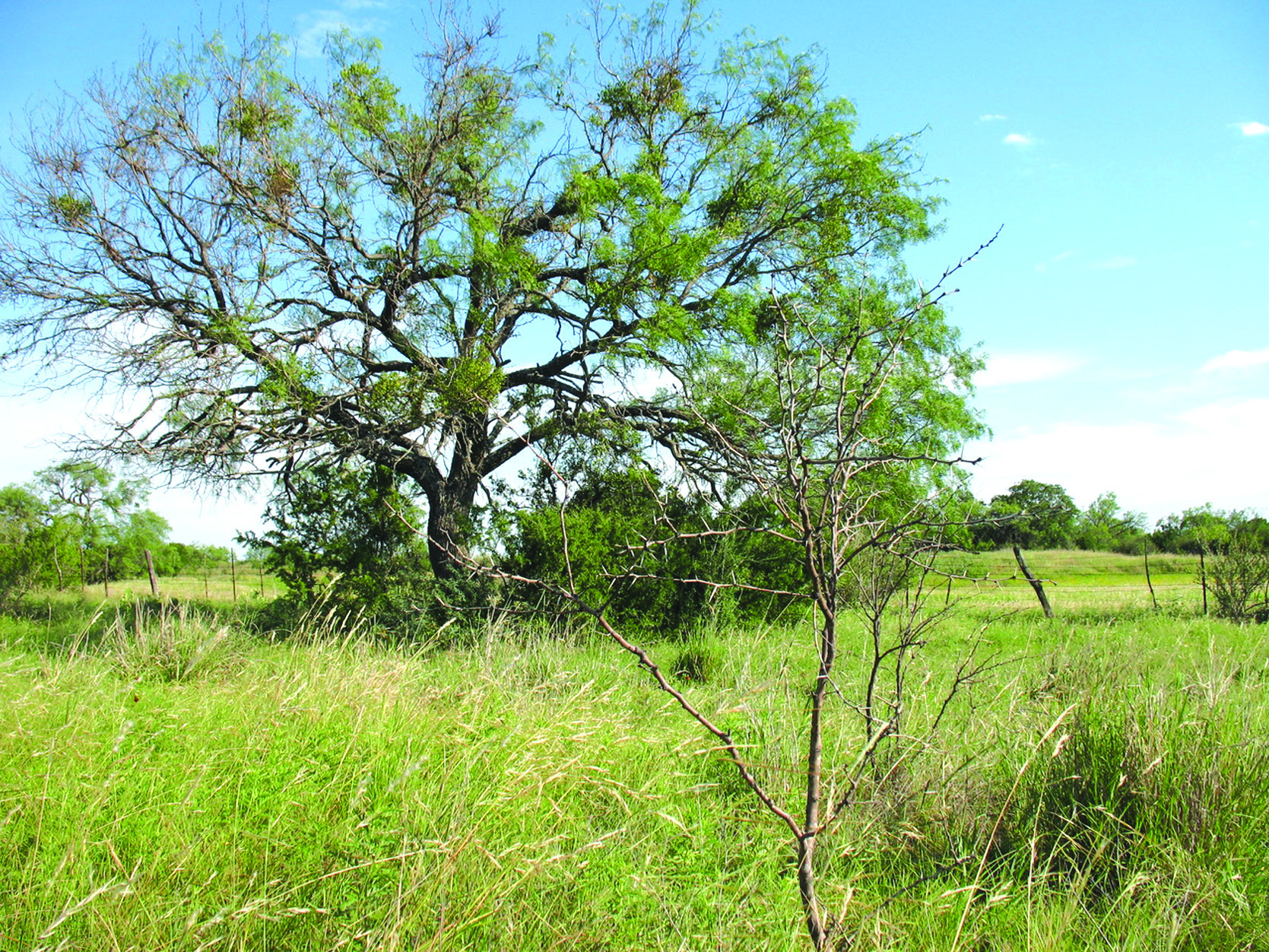
Trees. Everybody loves them, everyone wants them, and wildlife NEED them. Rural property, is valued, in part, using trees. So what is the value of a tree on your land?
So far in this series we have discussed land values, aesthetics, easements, habitat fragmentation and usage of your land. Today we will talk about trees.
Assessing the value of trees is not a precise science, but it is a science indeed. There are four main factors used to determine the value of a tree and those include species, size, condition and location.
The values range from 10% to 100%, and that is easy enough to understand. The science part of the equation is estimating exactly where that range of ranges should fall on each project and each factor involved. The species factor depends on if the tree is considered hardwood or softwood and perhaps deciduous or evergreen. Locally, the prized hardwood species include oak, pecan and mesquite while the secondary species may include elm, hackberry, cedar and cottonwood, for example.
The size factor is the diameter of the trunk squared and then multiplied by 0.7854 to determine the square inches of the trunk at 4.5 feet above the ground. The resulting inches are then multiplied by a monetary value to determine the base value. The monetary value fluctuates among species and geographic location and market price and could range from $35 to $90, depending on the many factors.
Next, the condition factor is assigned 10% to 100% based on crown development, trunk condition, major branch development, and location in reference to other trees. In other words, is this a mature, majestic stand-alone stately tree or is this a thicket of small trees in a tight bunch? For its age, is it in good health, fully productive or are there dead limbs, hollow spots and just barely alive? Is this a “bull mesquite” or is this regrowth?
And finally, the location
of the tree. Location means where it is in relation to the proposed project. Where is it in relation to the habitable structures impacted? Is it within the permanent easement or within the temporary easement? The value of the tree location also ranges from 10% to 100%. The value of a stately mature tree on a golf course has more value than one similar but standing in the far back pasture being choked by cedar regrowth, for example. What is the location value of a tree located near your house but between it and the dirt county road? That tree provides a visual security barrier, a sound barrier and a dust barrier and serves many purposes.
Trees have emotional/sentimental values to many people too, but unfortunately, there is not a value to be captured for those. The tree that you climbed as a child, and built your first treehouse in, likely has way more sentimental value than the one in the back pasture you have never climbed. The tree that still has the nails and rotting lumber in it where you shot your first deer from has exponentially more value to you than even a larger one growing on the fence line 200 feet away. Did you propose to your wife under a tree on the ranch or ever have a picnic there while dating? Don’t you feel that tree has some magical value that few others appreciate, much less understand? But again, there are no formulas or science-based methods to address such values, even though they may be priceless to you. So what are you going to do if those trees are selected for permanent removal?
Trees are the foundation of our environment. Not to sound like a “tree hugger” here, but I am sure you are aware that trees are instrumental to overall air and water quality, climate regulation, pollutant absorption, oxygen production, helps prevent soil erosion, provide habitat for countless wildlife species, carbon sequestration, humidity regulation, improves soil structure and fertility, helps attract human tourists/hunters, provides lumber, fruits and nuts and even contributes to our mental and physical wellbeing? So yes, the trees on your ranch are not only important to you personally, but equally as valuable to the surrounding community.