
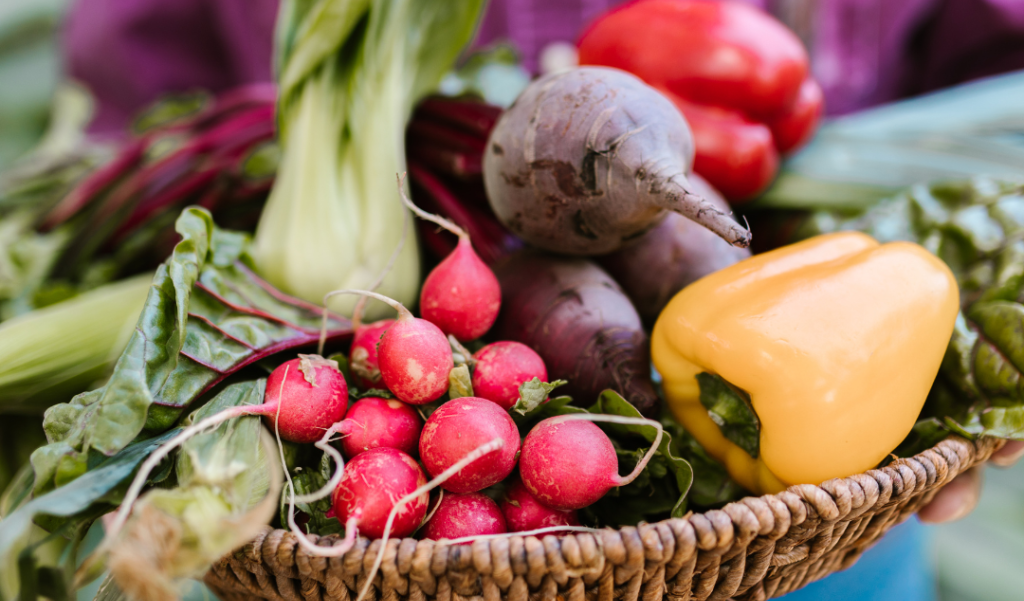
Ever feel like your garden is a little dramatic? Maybe your basil is thriving, but your tomatoes look like they’ve had a rough night? It might not just be you, it could be the company they’re keeping.
Welcome to the world of companion planting, where plants either help each other thrive like besties on a wellness retreat or sabotage each other like frenemies on a reality TV show.
Let’s dig into what companion planting is, why it matters, who’s getting along, and who’s giving each other side-eye in the garden.
What Is Companion Planting?
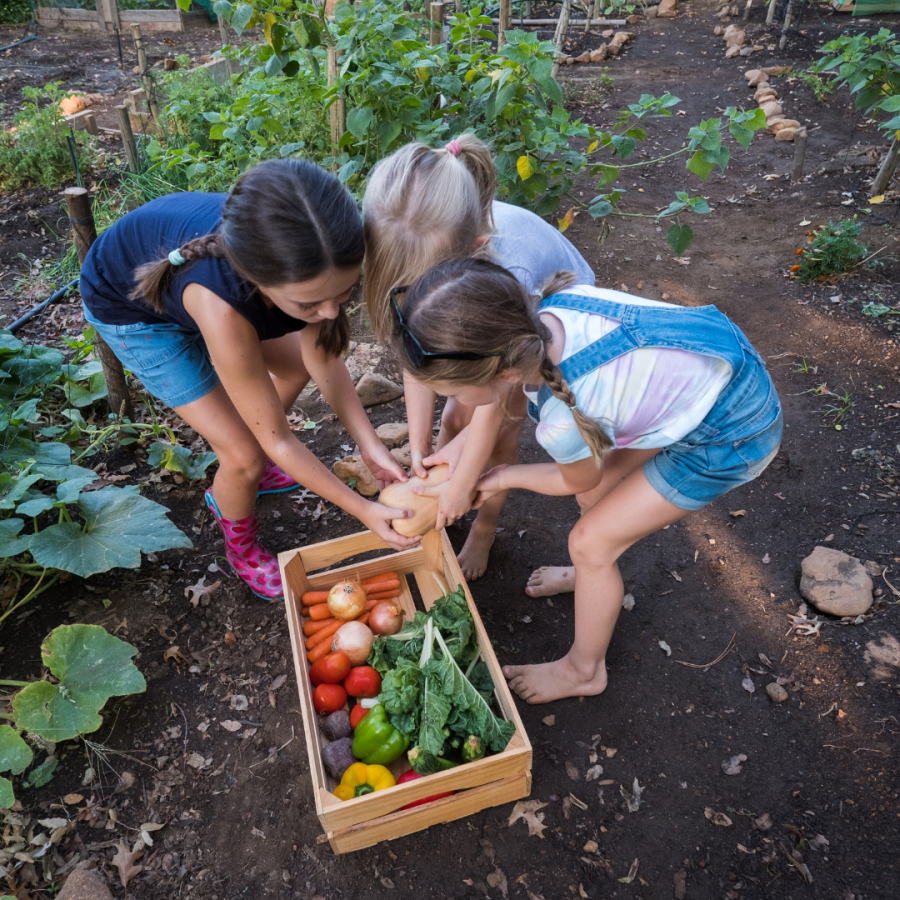
Think of companion planting as the roommate system of the garden. Some plants make great roommates! They share resources, fend off pests, and just vibe together. Others? Total chaos. One hogs the sunlight, the other brings in aphids, and suddenly your once-happy garden is in shambles.
The idea is simple, certain plants benefit each other when grown together by:
• improving each other’s flavor,
• warding off bugs,
• boosting growth,
• or just keeping each other from being total divas.
Garden Besties: Dream Team Pairings
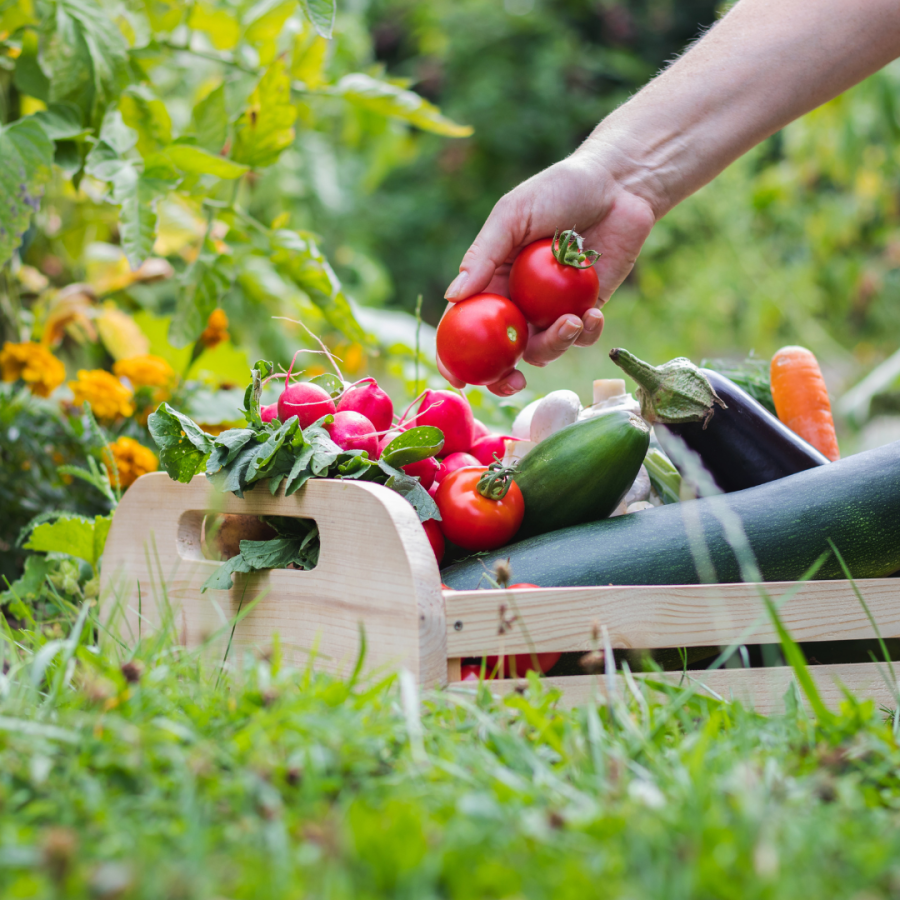
1. Tomatoes + Basil
Not just a culinary power couple! Basil actually improves the flavor of tomatoes and repels nasty bugs like mosquitoes and flies. Plus, they just look good together. Think “Romeo and Juliet” without the tragedy.
2. Carrots + Onions
Carrots are like, “I need someone to block carrot flies.” Onions are like, “Hold my layers.” These two pals help cover each other’s pest problems and grow well side by side. Total MVPs.
3. Cucumbers + Nasturtiums
Nasturtiums act like decoy plants, luring aphids and beetles away from your precious cucumbers. They’re basically cucumber bodyguards in floral form.
4. Corn + Beans + Squash (The Three Sisters)
This ancient trio is like the Spice Girls of gardening. Corn provides a pole for beans to climb, beans feed the soil with nitrogen, and squash shades the soil to keep weeds down. Friendship goals!
Garden Frenemies: Keep These Apart
1. Tomatoes + Corn
Both attract the same pests, especially the corn earworm (aka tomato fruitworm in disguise). Putting them together is like inviting drama over for dinner.
2. Beans + Onions (or Garlic)
Beans are sensitive little souls, and onions just don’t sit right with them. Onions stunt bean growth, and honestly, no one wants a stunted bean.
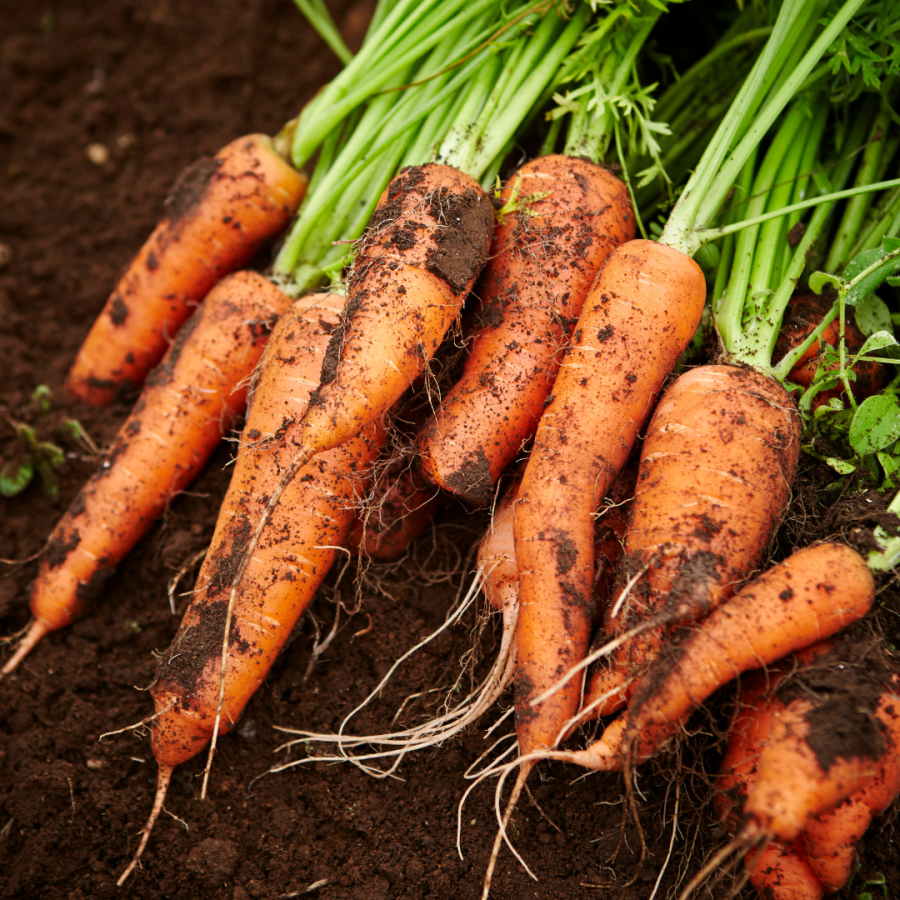
3. Carrots + Dill
They seem like they’d get along (both feathery and fancy), but dill gets a little clingy and ends up stunting carrot growth. Not cool, dill.
4. Potatoes + Tomatoes
It’s the fungal gossip circle from garden nightmares. They both belong to the nightshade family and can share diseases. Keep them on opposite ends of the veggie patch like awkward cousins at a family reunion.
So…Why Bother?
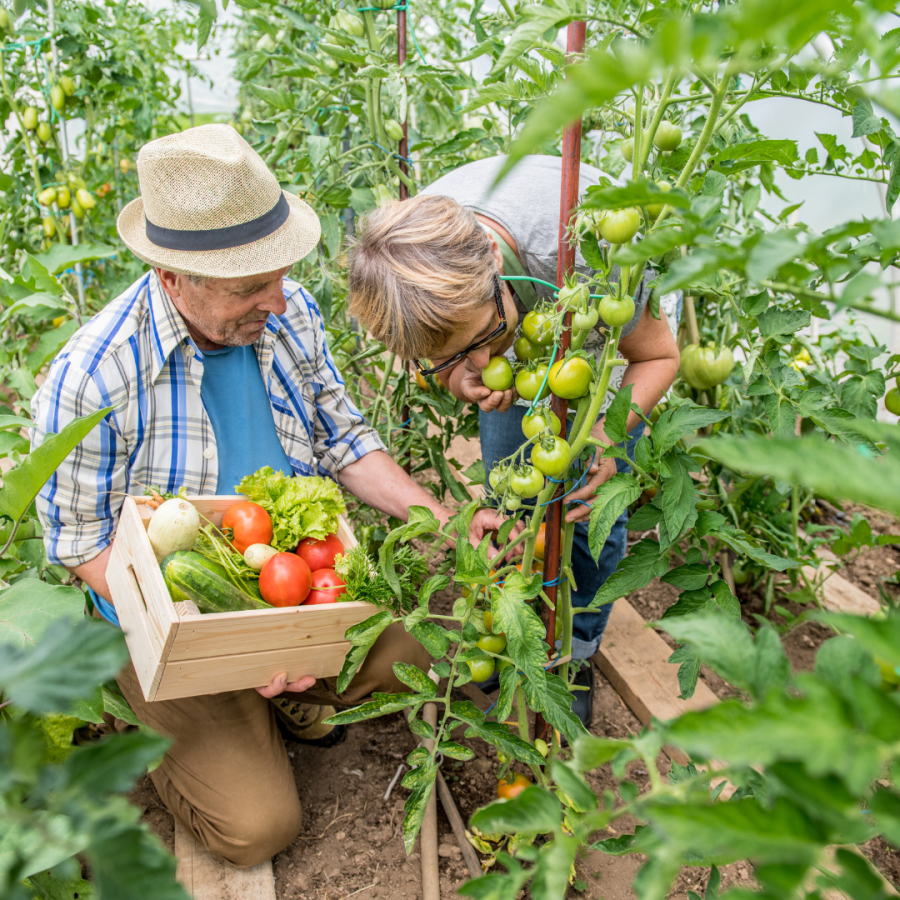
Good companion planting means:
• Fewer pests (because who wants to hand-pick bugs?)
• Healthier plants (which means less drama)
• Bigger harvests (bragging rights at the farmers market)
• Less need for chemicals (good for the earth and your grocery bill)
It’s like matchmaking for plants. Instead of candlelit dinners, it’s sunshine and soil!
Final Thoughts from the Garden Therapist
Your plants might not talk, but they do show you how they feel about their neighbors. Pay attention, experiment, and don’t be afraid to play matchmaker. And remember even in the garden, some relationships just aren’t meant to be. But when the chemistry’s right? It’s magic.
Happy planting and may all your veggies find their perfect plant partners!